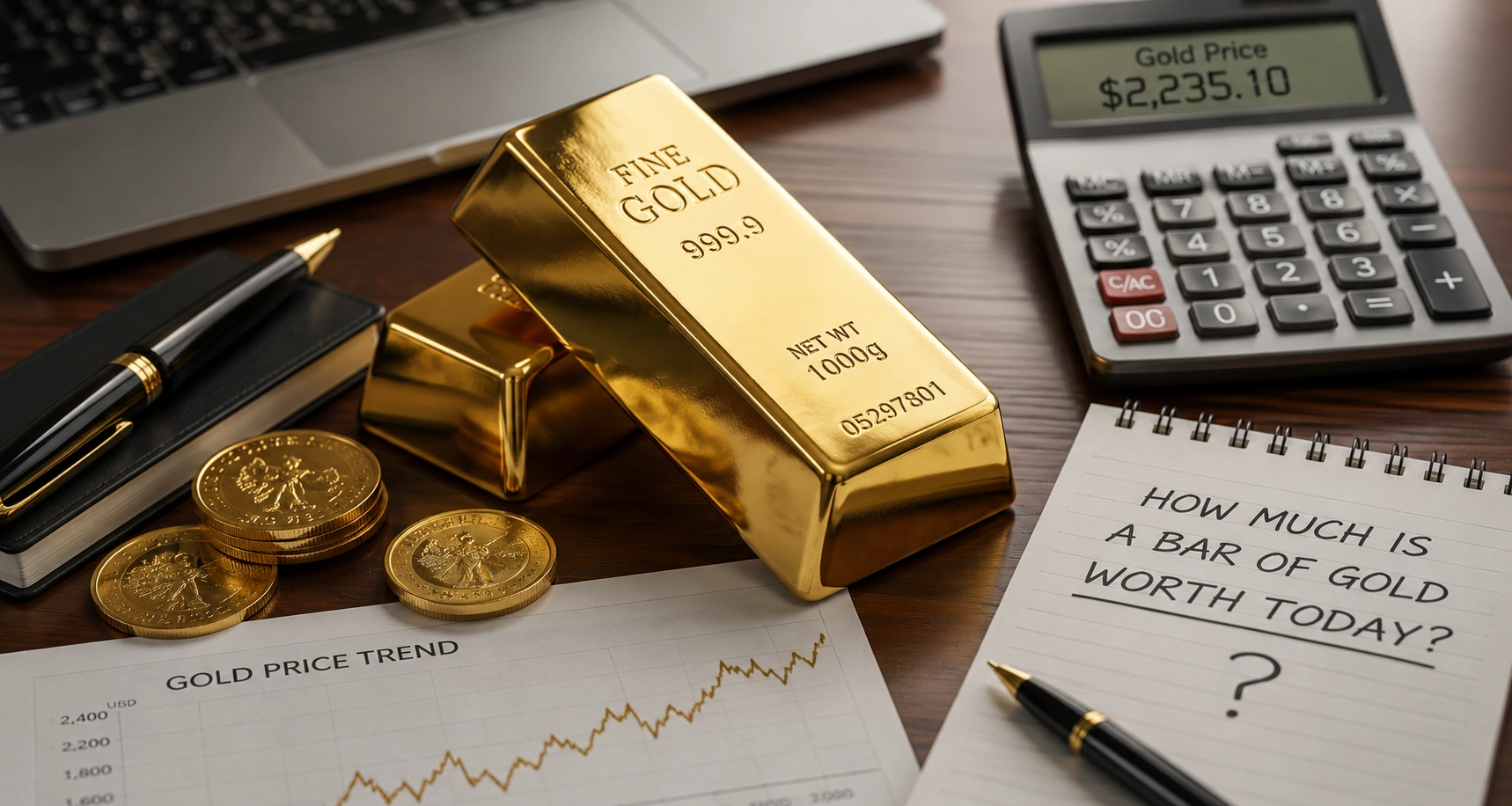
If you are wondering how much is a bar of gold worth, the answer depends mainly on its weight, purity, and the current market price of gold. A gold bar is not priced simply by its appearance or size. Its value is closely linked to the amount of pure gold it contains. The dealer selling the bar can also add a premium above the underlying metal value.
Gold prices change throughout the trading day, so the value of a bar can move quickly. On August 24, 2026, spot gold was around $4,649 per troy ounce, according to Reuters. That price provides a useful starting point for estimating the value of common gold bars.
How Much Is a Bar of Gold Worth?
The value of a gold bar starts with its weight and the current spot price. A standard 1-ounce bar contains approximately 31.1035 grams of gold. At a spot price near $4,649 per troy ounce, the raw metal value of a 1-ounce bar would be about $4,649 before dealer premiums, taxes, shipping, or other costs.
Larger bars contain more gold, so their total value rises accordingly. A 10-ounce bar would have a theoretical metal value near $46,490 at the same price. A 1-kilogram bar contains about 32.15 troy ounces, giving it a theoretical value of roughly $149,500 at that spot price. These figures are estimates because the market price changes constantly. The actual buying price can be higher than the calculated metal value.
What Determines the Value of a Gold Bar?
Weight is one of the most important factors when determining gold bar value. Common investment sizes include 1 gram, 5 grams, 10 grams, 1 ounce, 10 ounces, and 1 kilogram. The more gold a bar contains, the greater its intrinsic value when purity remains the same.
Purity is equally important. Investment-grade bars are commonly marked with a fineness such as 999 or 999.9, indicating very high gold content. A bar containing 99.99% gold has more pure gold than a similar-weight bar with a lower purity. When checking a bar, look for its weight, fineness, manufacturer, and identifying marks. These details help establish its authenticity and market value.
How Much Is a 1-Ounce Gold Bar Worth?
A 1-ounce gold bar is one of the most accessible sizes for investors who want physical gold. Because a troy ounce equals 31.1035 grams, the bar contains a substantial amount of precious metal while remaining relatively easy to store. Its value generally follows the international spot price of gold. For more: Silver Price Forecast 2026 Analysts: Expert Outlook
Using the August 24, 2026 spot price reported by Reuters, a 1-ounce bar had an approximate underlying metal value of $4,649. A retail dealer may charge more than this amount. The difference is commonly called a premium or markup. Brand recognition, packaging, availability, and market demand can all affect that premium.
How Much Is a 10-Ounce Gold Bar Worth?
A 10-ounce gold bar contains approximately 311.035 grams of gold. Its value is therefore about ten times the spot value of a 1-ounce bar before considering premiums. At a gold price of roughly $4,649 per ounce, the metal value would be approximately $46,490.
Larger bars often have lower premiums per ounce than very small bars. This can make them more efficient for investors purchasing larger amounts of gold. However, a 10-ounce bar also requires more money upfront and can be less convenient to sell in small portions. Investors should consider both the purchase price and future resale flexibility when selecting a bar size.
How Much Is a 1-Kilogram Gold Bar Worth?
A 1-kilogram gold bar is a substantial investment product. One kilogram equals approximately 32.15 troy ounces. At a spot price of around $4,649 per ounce, the theoretical metal value of a kilogram of gold would be close to $149,500.
The actual retail price can be higher because dealers need to cover manufacturing, distribution, storage, insurance, and business costs. The final price can also vary between dealers. Buyers should compare the premium over spot rather than looking only at the advertised total price. A lower premium can make a meaningful difference when purchasing a large bar.
Gold Bar Prices in Pakistan
For buyers in Pakistan, the value of a gold bar also depends on the international gold price and the Pakistani rupee exchange rate. Local bullion prices can therefore differ from a simple conversion of the international dollar price. Local market conditions and dealer spreads can influence the final amount paid.
On August 24, 2026, one live Pakistan gold-price source listed 24K gold at approximately Rs. 41,450 per gram. Another Pakistan market source listed approximately Rs. 481,500 per tola for 24K gold. These figures illustrate why local buyers should check current bullion rates before calculating the value of a gold bar.
Gold Bar Value vs. Gold Jewelry Value
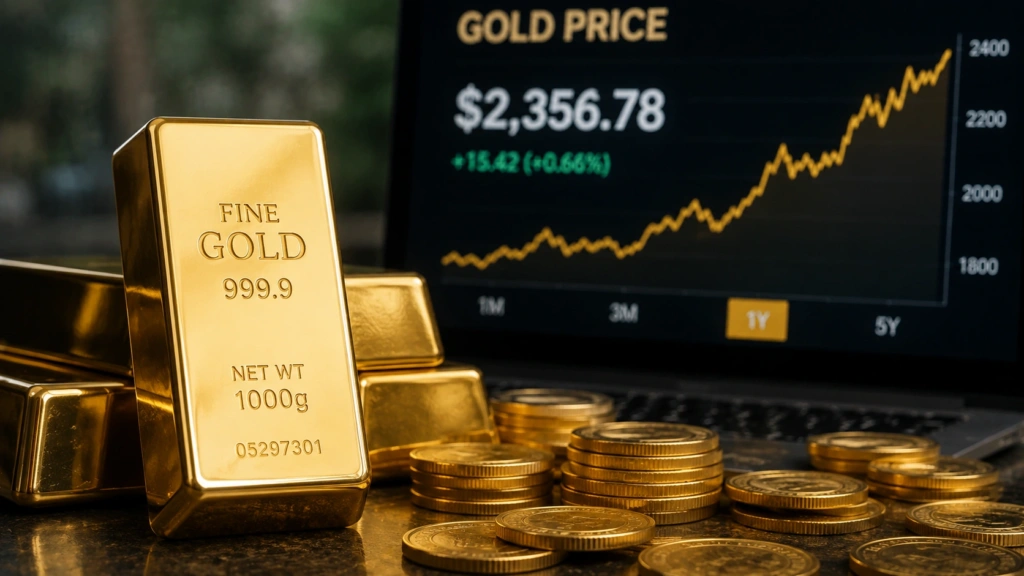
A gold bar and a piece of jewelry can contain the same amount of gold but have very different prices. Jewelry often includes additional costs for craftsmanship, design, labor, branding, and retail margins. These costs may not be recovered when the jewelry is sold.
Gold bars are generally valued more directly according to their metal content. A reputable bullion bar can have a relatively transparent relationship with the spot gold price. Buyers should still account for the dealer premium. When comparing gold bars with jewelry, focus on the amount of pure gold received for the total price.
Why Gold Bars Cost More Than Spot Gold
The spot price represents the current market price for gold, but consumers usually cannot purchase a physical bar at exactly that rate. Dealers add premiums to cover manufacturing and operating costs. The premium may also reflect market demand and the size of the bar.
Small bars often have higher premiums on a per-gram basis. Producing and packaging a 1-gram bar can cost almost as much as handling a larger bar, even though the gold content is dramatically smaller. Larger bars can therefore offer lower premiums per ounce. However, smaller bars may be easier to sell because their individual value is lower.
How to Calculate the Value of a Gold Bar
Calculating the approximate metal value of a gold bar is straightforward. First, identify its weight in troy ounces. Next, multiply that weight by the current gold spot price. If the bar is not pure gold, adjust the calculation for its actual purity.
For example, imagine a 1-ounce bar with 99.99% purity and a spot price of $4,649. The theoretical value would be close to $4,649 because almost all of the bar consists of pure gold. The retail purchase price could be higher because of the dealer premium. When selling, the amount received may also differ from the spot-based calculation because dealers use their own buying spreads.
Does the Brand of a Gold Bar Matter?
The manufacturer can influence how easily a gold bar is recognized and resold. Bars from established refiners may be more attractive to dealers because their authenticity and specifications are easier to verify. Recognized products can sometimes command stronger resale demand than unknown bars.
This does not mean a famous brand automatically makes gold more valuable. The underlying metal content remains the primary source of value. Buyers should check the refinery, serial number where applicable, assay packaging, weight, and purity. Buying from a reputable dealer can also reduce the risk of authenticity problems.
How Much Is a Gold Bar Worth When You Sell It?
The resale value of a gold bar depends on the current market price and the dealer’s buying price. A dealer may offer slightly below spot because the business needs a margin to cover testing, handling, refining, and market risk. The difference between the buying and selling prices is commonly known as the spread.
For example, if the market value of a bar is $5,000, a dealer may not offer exactly $5,000. The actual offer could be lower depending on market conditions, bar brand, purity, and the dealer’s policies. This is why investors should research both the purchase premium and expected resale spread before buying physical gold.
Is Buying a Gold Bar a Good Investment?
Gold bars can provide direct ownership of physical gold, which appeals to investors seeking a tangible store of value. Gold has also historically been used as a portfolio diversification asset. However, physical gold does not generate interest or dividends, and investors must consider storage and insurance.
The right approach depends on personal financial goals and risk tolerance. Someone seeking long-term exposure to gold may prefer larger bars with lower premiums. Another buyer may value smaller bars because they offer greater flexibility. Researching related topics such as gold investment strategies, precious metals diversification, and gold price forecasts can provide useful context before making a purchase.
Frequently Asked Questions
How much is a bar of gold worth today?
The value depends on its weight and purity. On August 24, 2026, spot gold was around $4,649 per troy ounce, so a 1-ounce bar had a metal value near that amount before premiums.
How much is a 1-kilogram gold bar worth?
A 1-kilogram bar contains about 32.15 troy ounces. At roughly $4,649 per ounce, its theoretical metal value is close to $149,500 before dealer premiums and other costs.
Is a gold bar worth more than its weight in gold?
Usually, the metal value provides the foundation for its price. A dealer can charge a premium above spot for manufacturing, packaging, distribution, brand recognition, and other costs.
Are gold bars easy to sell?
Gold bars from reputable refiners are generally easier to verify and resell. The amount you receive depends on the current gold price, bar specifications, dealer spread, and market conditions.
What size gold bar is best for beginners?
A smaller bar can offer greater flexibility and require less money upfront. Larger bars often have lower premiums per ounce. The best size depends on your budget, storage options, and plans for selling.
Conclusion
So, how much is a bar of gold worth? There is no single answer because gold bars come in many weights and purities. Their value is primarily based on the amount of pure gold they contain and the current market price. On August 24, 2026, spot gold was trading near $4,649 per troy ounce, giving investors a useful benchmark for estimating bar values.
Remember that the final buying or selling price can differ from spot because of premiums and dealer spreads. Before purchasing, compare the bar’s purity, weight, manufacturer, premium, and resale terms. Checking current bullion prices and learning more about physical gold investing can help you make a more informed decision.