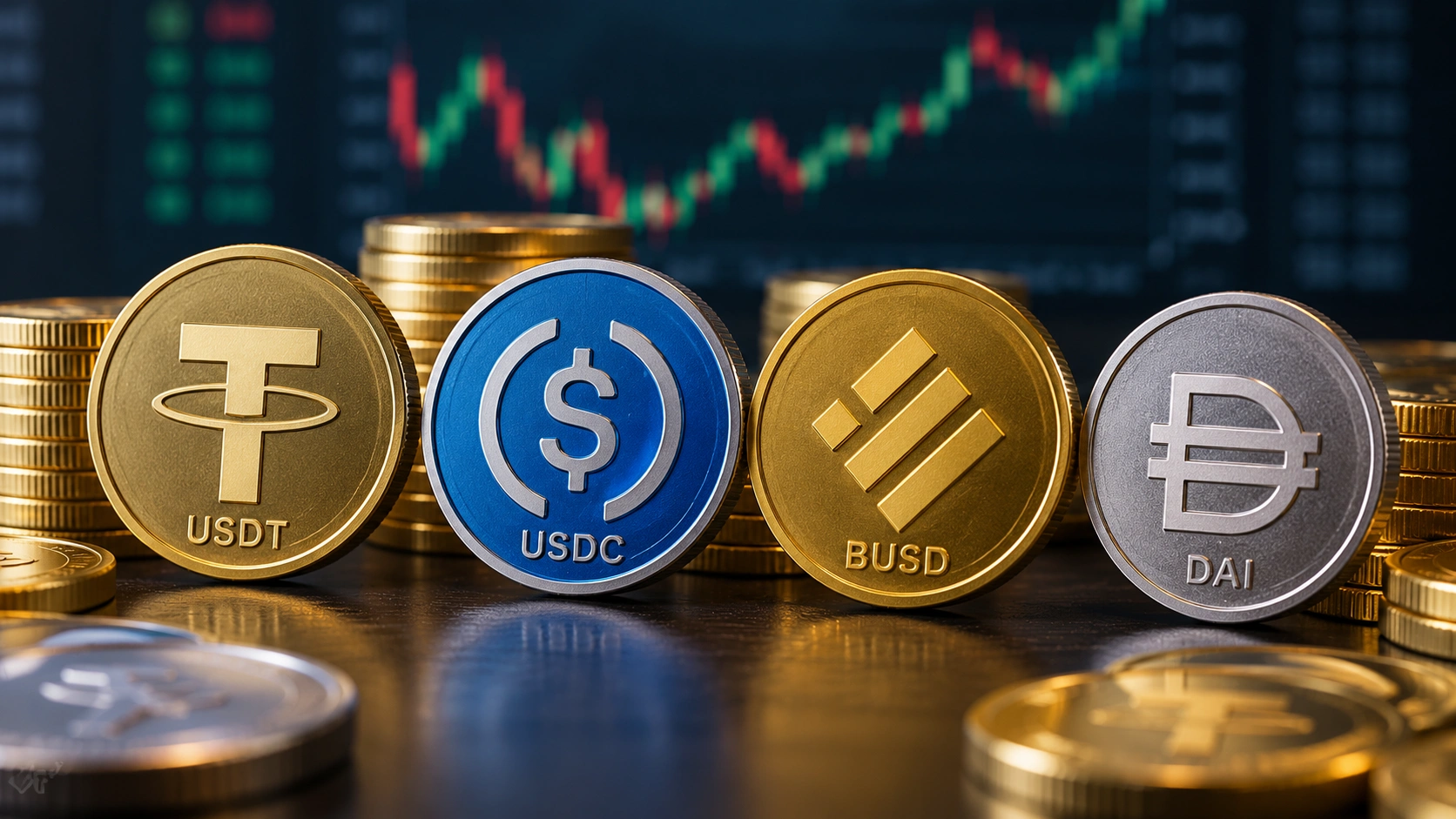
What is stablecoin? A stablecoin is a type of cryptocurrency designed to maintain a relatively steady value. Most stablecoins aim to follow the value of a traditional currency, especially the U.S. dollar. Unlike Bitcoin and other highly volatile cryptocurrencies, stablecoins try to reduce major price changes. People use them for crypto trading, payments, transfers, and decentralized finance. However, stablecoins do not remove financial risk. Their stability depends on their design, reserves, collateral, technology, and management. Understanding these factors can help beginners make better decisions when using digital assets.
What Is a Stablecoin?
A stablecoin is a digital asset that aims to maintain a stable value against another asset. The U.S. dollar provides the most common reference point. For example, a dollar-linked stablecoin may aim to stay close to $1. The company or protocol behind the stablecoin uses a specific system to support this target. Some projects use reserves, while others use cryptocurrency collateral or automated mechanisms. Stablecoins operate on blockchain networks and can move between compatible wallets and platforms. Their main purpose is to provide a more predictable digital asset than many traditional cryptocurrencies.
The idea becomes easier with a simple example. Imagine you own Bitcoin, but you expect its price to fall soon. You could exchange your Bitcoin for a dollar-linked stablecoin instead of selling directly into traditional currency. The stablecoin aims to maintain a value near $1 while remaining inside the crypto ecosystem. This can make it easier to trade another cryptocurrency later. However, users should remember that the stablecoin may not always equal exactly $1. Market conditions, liquidity, reserve concerns, or technical problems can cause its price to move above or below its target.
How Do Stablecoins Work?
Stablecoins use different systems to maintain their target value. Some stablecoins rely on reserves held by an issuer or custodian. These reserves may include cash, short-term government securities, or other financial assets. The issuer generally manages the supply of tokens according to its reserve system. When users understand the reserve structure, they can better evaluate how the stablecoin works. However, users should not assume that every project provides the same level of transparency, liquidity, or redemption access. Each stablecoin has its own structure, rules, and potential risks.
Other stablecoins use cryptocurrency as collateral. These systems may require users to deposit more crypto than the value of the stablecoins they receive. Smart contracts can monitor the collateral and respond when its value changes significantly. Some projects also use algorithms and market incentives to maintain their target price. These designs can become complex and may behave differently during periods of market stress. For this reason, anyone researching a stablecoin should learn about its stabilization method first. Understanding the technology behind a token provides more useful information than relying on its name alone.
Main Types of Stablecoins
Stablecoins generally fall into several categories based on how they maintain value. Fiat-backed stablecoins connect their value to traditional currencies and often use reserves. Crypto-backed stablecoins use digital assets as collateral. Commodity-backed stablecoins can track assets such as gold. Algorithmic stablecoins use programmed systems and market incentives to influence supply and demand. Each category has different characteristics and risks. A beginner should not treat all stablecoins as identical. The supporting assets, governance structure, redemption process, and technology can vary considerably between projects.
The type of stablecoin matters because different systems can react differently during difficult market conditions. A fiat-backed token may depend heavily on its reserves and issuer. A crypto-backed token may depend on collateral values and smart contracts. An algorithmic token may depend more on market demand and automated mechanisms. Stablecoins can also experience a depeg, which means their market price moves away from the intended value. Even a temporary price difference can matter to someone transferring or holding a large amount. Researching the specific stablecoin remains essential before using it.
Why Do People Use Stablecoins?
Stablecoins have become useful within cryptocurrency markets because they provide a relatively stable unit of value. Traders can use them to move between different crypto assets without immediately converting funds into traditional currency. For example, someone who sells Ethereum may hold the proceeds in a dollar-linked stablecoin. This approach can reduce exposure to Ethereum’s price changes while keeping the funds available for another crypto trade. Stablecoins can also serve as trading pairs on exchanges, allowing users to compare the value of different cryptocurrencies against a familiar reference. For more: Stock Market Holidays: Complete Guide for Investors
Stablecoins also support several blockchain-based financial activities. Users can send them to compatible wallets, make certain digital payments, or use them within decentralized finance applications. Some businesses and individuals may use stablecoins for cross-border transfers where regulations and services allow it. Their usefulness depends on network support, transaction fees, liquidity, and local laws. A stablecoin does not automatically work everywhere. Users should check whether their chosen wallet, exchange, or payment service supports the specific token and blockchain network before making a transaction.
Benefits of Stablecoins
One major benefit of stablecoins is reduced price volatility compared with many other cryptocurrencies. A dollar-linked stablecoin aims to remain close to one dollar, which makes it easier to understand the value of a transaction. This feature can help traders, businesses, and blockchain applications that need a relatively predictable digital unit. Stablecoins can also move through blockchain networks without relying on traditional banking processes for every transaction. Depending on the network, transfers can happen at different speeds and costs. These features make stablecoins useful in several parts of the digital asset ecosystem.
Stablecoins can also provide flexibility for people who actively use cryptocurrency platforms. A trader may move funds between different assets without leaving the blockchain environment. A DeFi application may use stablecoins for lending, borrowing, trading, or liquidity. Some digital payment systems may also support stablecoins for transactions. However, these benefits depend on the specific project and service. Users still need to consider network fees, liquidity, technical risks, platform security, and regulations. Stablecoins offer useful features, but they should not be viewed as completely risk-free digital money.
Risks of Stablecoins
The term “stablecoin” does not guarantee a perfectly stable price. A stablecoin can move away from its intended value during periods of market stress. This event is commonly called a depeg. Several factors can cause it, including concerns about reserves, sudden changes in demand, collateral problems, technical failures, or loss of market confidence. If a stablecoin falls significantly below its target, users may experience losses when they sell or convert it. Therefore, beginners should understand that stable value represents a goal rather than an absolute promise.
Stablecoin users can face other risks as well. Centralized stablecoins may depend on an issuer, reserve managers, and custodians. Decentralized stablecoins can involve smart-contract, governance, and collateral risks. Regulatory changes can also affect availability or usage. Wallet security creates another concern because blockchain transactions may become difficult to reverse after sending funds. Users should also separate stablecoin risk from platform risk. A stablecoin may remain near its target while an exchange or DeFi application experiences a security problem. Careful research can help users understand these different layers of risk.
Stablecoins vs. Other Cryptocurrencies
Stablecoins differ from many cryptocurrencies because they aim to maintain a specific value. Bitcoin, Ethereum, and many other digital assets have market prices that can move substantially. Their prices respond to supply, demand, market sentiment, technology, adoption, and other factors. Stablecoins instead focus on maintaining a target value against another asset. This makes them more useful for people who want blockchain-based transactions without the same level of price movement found in many cryptocurrencies.
The main differences can be summarized as follows:
- Stablecoins: Aim to maintain a relatively stable value.
- Bitcoin: A decentralized cryptocurrency with a market-driven price.
- Altcoins: A broad group of cryptocurrencies with different purposes.
- Traditional currency: Government-issued money used through financial systems.
Stablecoins combine characteristics from cryptocurrency and traditional finance. They use blockchain technology for digital transfers, but some depend on traditional reserves or financial institutions. This creates both advantages and additional risks. Someone researching digital assets should examine how each asset works rather than judging it only by price. Understanding the purpose, technology, backing, and risks of an asset can help users make more informed decisions.
Stablecoins and DeFi
Stablecoins play an important role in decentralized finance, commonly called DeFi. DeFi applications allow users to lend, borrow, trade, and provide liquidity through blockchain-based protocols. Stablecoins can make these activities easier because their target values generally fluctuate less than many other crypto assets. For example, a DeFi lending platform may allow users to deposit stablecoins and potentially earn a variable return. Another user may borrow stablecoins by providing other crypto assets as collateral. The exact risks and conditions depend on the protocol.
Using stablecoins in DeFi can introduce additional risks. A smart-contract error may cause financial losses even when the stablecoin itself maintains its target price. A protocol may also face liquidity problems, security attacks, or technical failures. Some DeFi services offer attractive yields, but those returns can change and never guarantee profits. Beginners should understand both the stablecoin and the DeFi platform before depositing funds. Learning about [blockchain basics], [crypto wallet security], and [decentralized finance] can provide useful background before using these applications.
How to Choose a Stablecoin
Before choosing a stablecoin, first determine what asset it tracks. Then learn how the project attempts to maintain that value. Check information about reserves, collateral, issuance, redemption, governance, and the organization behind the project. Clear documentation can help users understand the risks. It is also useful to examine available transparency reports or independent information when available. A project that provides little information about its backing may require greater caution. Beginners should avoid choosing a stablecoin simply because it appears popular on social media.
Practical factors also matter when selecting a stablecoin. Check whether your preferred exchange and wallet support it. Confirm the correct blockchain network before sending funds because different versions of a token may operate on different networks. Compare transaction costs and liquidity as well. Local laws can affect which digital assets you can legally buy, sell, or use. Beginners can also study [cryptocurrency security] and [how crypto wallets work] before making their first transfer. Good preparation can reduce simple mistakes and improve overall digital asset safety.
Are Stablecoins Safe?
Stablecoins have different levels and types of risk, so there is no simple answer about whether they are safe. A project may have transparent reserves, established operations, strong liquidity, and clear redemption procedures. Another project may use a newer or more complicated mechanism with greater uncertainty. Even established stablecoins can face market, technical, operational, and regulatory risks. Users should therefore evaluate each project individually instead of assuming that every stablecoin offers the same protection or stability.
The way you store and use a stablecoin also affects your overall risk. A personal wallet gives you control over your assets, but you must protect your private keys and recovery information. A centralized exchange may handle custody, but you then depend on that service. Always check wallet addresses and network details before confirming a transaction. Start with small amounts if you are still learning. Most importantly, never assume that a stablecoin eliminates the possibility of losing money.
How Beginners Can Understand Stablecoins
Beginners can understand stablecoins by asking three simple questions. What does the token aim to track? What supports its value? What happens if the token moves away from its target? These questions can reveal important information about a project’s structure. They can also help users separate genuine features from marketing language. Reading official documentation and reliable financial information can provide a clearer picture before someone decides to use a particular stablecoin.
Consider a token that targets a value of $1. If the market price reaches $0.99 for a short time, the difference may appear small. However, a larger decline can create serious problems for someone holding a substantial amount. The reason for the decline matters too. A temporary supply imbalance differs from a major problem with reserves or collateral. By learning how these situations can occur, beginners can better understand stablecoin risks. This knowledge can also make it easier to compare different digital assets.
Frequently Asked Questions
What is stablecoin in simple words?
A stablecoin is a cryptocurrency that aims to maintain a relatively steady value. Many stablecoins target the U.S. dollar, while others track different assets or use alternative stabilization systems.
Are stablecoins the same as dollars?
No. A stablecoin may aim to match the value of one dollar, but it remains a blockchain-based digital asset. Its rights, risks, and redemption process can differ from money held in a bank.
Can a stablecoin lose its value?
Yes. A stablecoin can move away from its target price. This event is known as a depeg. Market stress, reserve concerns, collateral problems, and technical issues can contribute to such movements.
What are stablecoins used for?
People use stablecoins for crypto trading, digital transfers, payments where supported, DeFi applications, lending, borrowing, and liquidity. Their exact uses depend on the platform and local regulations.
Are stablecoins a good investment?
Stablecoins mainly focus on maintaining value rather than generating large price increases. They may serve specific financial purposes, but they do not guarantee profits or eliminate investment risk.
Conclusion
So, what is stablecoin? It is a cryptocurrency designed to maintain a relatively stable value against another asset. Most stablecoins target the U.S. dollar, while others use commodities, cryptocurrencies, or automated systems. Their lower volatility can make them useful for crypto trading, digital transfers, payments, and decentralized finance.
However, stablecoins still carry meaningful risks. Before using one, learn how it maintains its target, what supports its value, and how redemption works. Check the wallet, exchange, network, and rules that apply to you. If you are new to cryptocurrency, continue learning about blockchain technology, crypto wallets, and digital asset security before making your first transaction.