

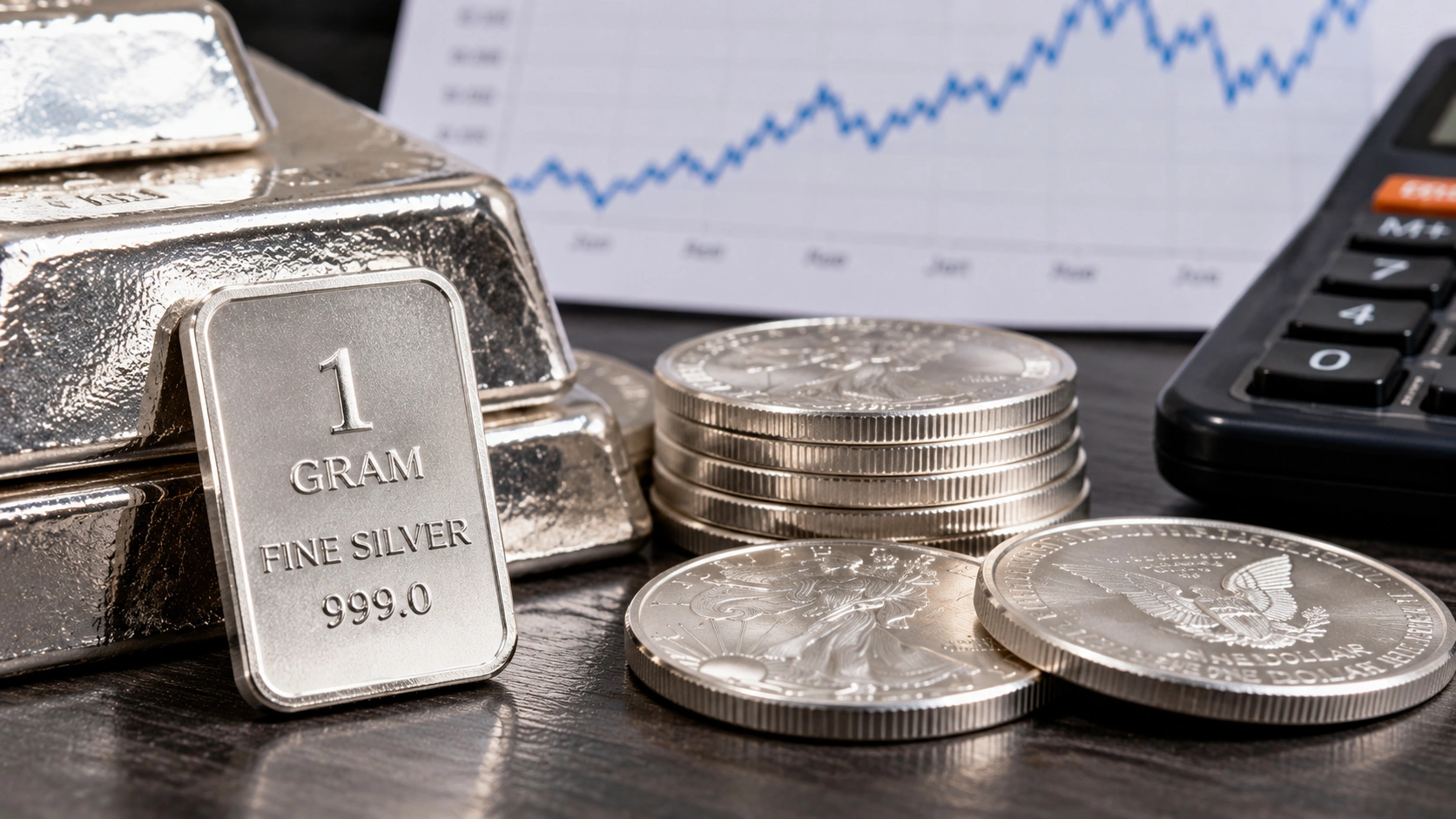
The value of one gram of silver can change regularly because silver is traded in global markets and its price responds to investment demand, industrial use, currency movements, economic conditions, and market sentiment. For buyers, one gram is a convenient measurement because it makes small amounts of silver easier to compare. However, the market value of silver is not always the same as the price paid for a physical product. Coins, jewelry, bars, and collectibles can include dealer premiums, manufacturing costs, taxes, and other charges. Understanding the difference between spot silver and retail pricing is important whether you are checking the value of silver jewelry, considering a small investment, selling an old item, or simply learning how precious-metal prices work.
What Is One Gram of Silver Worth?
The value of one gram of silver is based primarily on the current market price of silver and the purity of the metal. International silver prices are commonly quoted by the troy ounce rather than by the gram. Since one troy ounce contains approximately 31.1035 grams, an ounce-based price can be converted into a gram price by dividing it by 31.1035. This provides a useful reference for estimating the value of pure silver.
For example, if silver were trading at $40 per troy ounce, dividing $40 by 31.1035 would give approximately $1.29 per gram. This is only a mathematical example, not a current market quotation. The actual amount a buyer pays for a one-gram silver product may be higher because of dealer premiums, production expenses, packaging, taxes, and other costs. Therefore, the spot value and retail price should always be considered separately.
How Is the Price of Silver Per Gram Calculated?
Calculating the value of one gram of silver starts with the international silver price. If the market quotation is expressed in U.S. dollars per troy ounce, divide that figure by 31.1035. The result gives an approximate value per gram of pure silver. This simple conversion is useful for comparing different quantities and understanding the underlying metal value of physical silver products.
Purity must also be considered. Investment-grade silver is often very high purity, while jewelry and older silver products may contain other metals. For example, sterling silver is commonly marked 925, meaning it contains approximately 92.5% silver. If pure silver had a theoretical value of $1.50 per gram, the silver content of one gram of sterling silver would be approximately $1.39 before dealer costs. The calculation demonstrates why weight alone does not determine the exact value of a silver item.
Why Silver Purity Matters
Silver purity has a direct impact on the amount of actual silver contained in an item. Pure silver is generally described as 999 or 999.9 fineness, meaning it contains approximately 99.9% or 99.99% silver. Sterling silver, commonly identified with a 925 hallmark, contains approximately 92.5% silver. Other silver alloys may have different compositions depending on their intended use.
When evaluating jewelry or household items, checking the hallmark can provide an important starting point. A piece marked 925 should not be valued in exactly the same way as a 999 silver bar of identical weight. The difference is the proportion of pure silver within the material. Buyers should also remember that a hallmark alone does not establish the entire market value of an item. Condition, craftsmanship, age, brand, design, and collectible interest can add value beyond the raw silver content.
Common Silver Purity Marks
Silver products can carry different fineness markings depending on their composition and country of origin. Understanding these markings makes it easier to estimate the amount of silver present in a product.
- 999 or 999.9: Approximately 99.9% or 99.99% silver.
- 925: Approximately 92.5% silver, commonly associated with sterling silver.
- 900: Approximately 90% silver.
- 800: Approximately 80% silver.
These markings are useful when comparing silver products, but professional testing may be appropriate when the purity is uncertain or the item has significant value.
What Affects the Price of Silver?
The market value of silver is influenced by several factors. Unlike gold, silver has extensive industrial applications, including electronics, solar technology, electrical components, medical applications, and manufacturing. Changes in industrial demand can therefore influence market expectations. Investment demand also matters because silver is traded as a precious metal and can attract buyers during periods of financial uncertainty or changing market conditions.
Currency movements, interest-rate expectations, economic growth, mining supply, and broader commodity-market conditions can also affect silver prices. Because several factors operate simultaneously, silver prices can change significantly over time. A buyer checking the value of one gram of silver should therefore understand that today’s price is a market snapshot rather than a permanent value. Historical prices can provide context, but they should not be treated as a guarantee of future performance.
One Gram of Silver vs. One Ounce
Comparing one gram of silver with one troy ounce is useful when purchasing small silver products. One troy ounce contains approximately 31.1035 grams. Therefore, if the market price were $40 per troy ounce, the theoretical value of one gram would be about $1.29 before premiums and other costs. Multiplying the per-gram value by the number of grams provides an approximate metal value.
However, physical silver does not always sell at exactly the calculated market rate. A one-gram silver bar can have a relatively high premium because packaging, manufacturing, refining, certification, and distribution costs represent a larger percentage of the product’s total value. Larger bars may have lower premiums per gram because fixed costs are spread across more silver. This is why buyers should compare the total price and premium rather than assuming that the smallest unit automatically provides the lowest cost.
Is One Gram of Silver Useful for Small Investments?
Small silver quantities can be convenient for people who want to purchase physical silver without buying a large bar or several ounces at once. A one-gram product may be easier to afford, store, gift, or collect. However, convenience often comes with a higher premium relative to the amount of silver contained in the product. The premium should therefore be considered before purchasing. For more: Gold Price for Today in USA: Complete Guide
For someone comparing different physical silver products, it can be helpful to calculate the effective price per gram. Divide the total purchase price by the actual weight of silver in the product. Then compare that figure with the current spot value. This does not determine whether the product is suitable for a particular buyer, but it clearly shows how much is being paid above the underlying metal value. Related internal guides about silver investment and precious-metal premiums can provide additional context.
One Gram of Silver in Jewelry
The value of one gram of silver in jewelry can be different from the price of one gram of investment-grade silver. Jewelry includes craftsmanship, design, finishing, brand value, stones, and retail expenses. A silver ring weighing several grams may therefore cost considerably more than the market value of the silver it contains.
When buying silver jewelry, ask about the purity and weight of the item. A 925 sterling-silver piece contains approximately 92.5% silver, while a product marked 999 has a much higher silver content. Buyers should also consider whether the quoted price includes workmanship and taxes. For used jewelry, the resale value may be based primarily on its recoverable silver content unless the item has collectible, antique, designer, or artistic value. Understanding these differences helps prevent unrealistic expectations when buying or selling silver jewelry.
How to Calculate the Value of Silver You Own
Calculating the approximate metal value of silver you already own requires three basic pieces of information: weight, purity, and the current silver price. First, determine the item’s weight in grams. Next, identify the purity, such as 925 or 999. Finally, multiply the weight by the purity percentage and the current estimated value of pure silver per gram.
For example, imagine a 20-gram sterling-silver item marked 925. Its approximate pure-silver content would be 18.5 grams because 20 multiplied by 0.925 equals 18.5. If pure silver were hypothetically worth $1.50 per gram, the theoretical silver content would be $27.75 before any dealer deductions or additional value. A buyer might offer less because of refining costs and business margins, while a collectible item could potentially be worth more than its raw metal value.
How Much Does One Gram of Silver Cost to Buy?
The purchase price of one gram of silver depends on the product being purchased and the seller’s pricing structure. A one-gram investment bar may have a different price from one gram of silver contained in a larger bar. Coins, jewelry, rounds, and collectibles can all have different premiums because their production and distribution costs vary.
When comparing products, calculate the effective price per gram instead of looking only at the advertised total. Check whether the product contains pure silver or an alloy, and determine whether shipping, taxes, certification, or other fees are included. A product that appears inexpensive may have a higher premium once all charges are considered. Looking at the complete cost provides a more useful comparison between different sellers and product sizes.
Common Mistakes When Valuing Silver
One common mistake is assuming that the weight printed on a product represents the amount of pure silver it contains. This is not always true for jewelry or lower-purity silver alloys. Another mistake is confusing a standard ounce with a troy ounce. Precious metals are normally measured using troy ounces, and one troy ounce is approximately 31.1035 grams.
Another frequent mistake is treating the spot price as the guaranteed buying or selling price. Dealers operate with premiums and spreads, while refiners may deduct costs when purchasing scrap silver. Collectible pieces can also have values that differ significantly from their raw metal content. Checking purity, weight, current market pricing, and transaction costs together gives a more realistic estimate. For valuable or unusual items, professional appraisal or testing can provide additional confidence.
Frequently Asked Questions
How much is one gram of silver worth?
Its value depends on the current silver market price and the purity of the metal. The retail price can be higher because of premiums and additional costs.
How many grams are in a troy ounce of silver?
One troy ounce contains approximately 31.1035 grams. Precious metals such as silver and gold are commonly priced using troy ounces.
Is 925 silver real silver?
Yes. 925 silver, commonly called sterling silver, contains approximately 92.5% silver and 7.5% other metals.
Why does a one-gram silver bar cost more than its metal value?
Small bars can carry higher premiums because manufacturing, packaging, certification, and distribution costs represent a larger percentage of their total price.
Can I calculate the value of old silver jewelry?
Yes. You can estimate its metal value using weight, purity, and the current silver price. However, resale offers may be lower, while collectible pieces may have additional value.
Conclusion
The value of one gram of silver depends mainly on the current silver market price and the purity of the metal. Converting the international price from a troy ounce into grams provides a simple way to estimate the underlying value. However, physical products can cost more because of dealer premiums, manufacturing, taxes, packaging, and other expenses.
When buying or selling silver, check the item’s weight, purity, current market reference, and complete transaction costs. For jewelry, also consider craftsmanship and potential collectible value. Understanding these factors makes it easier to compare silver products and estimate what your silver may be worth. For more information, explore related guides about silver prices, silver purity, and precious-metal investing before making a purchase or sale.
1 Comment