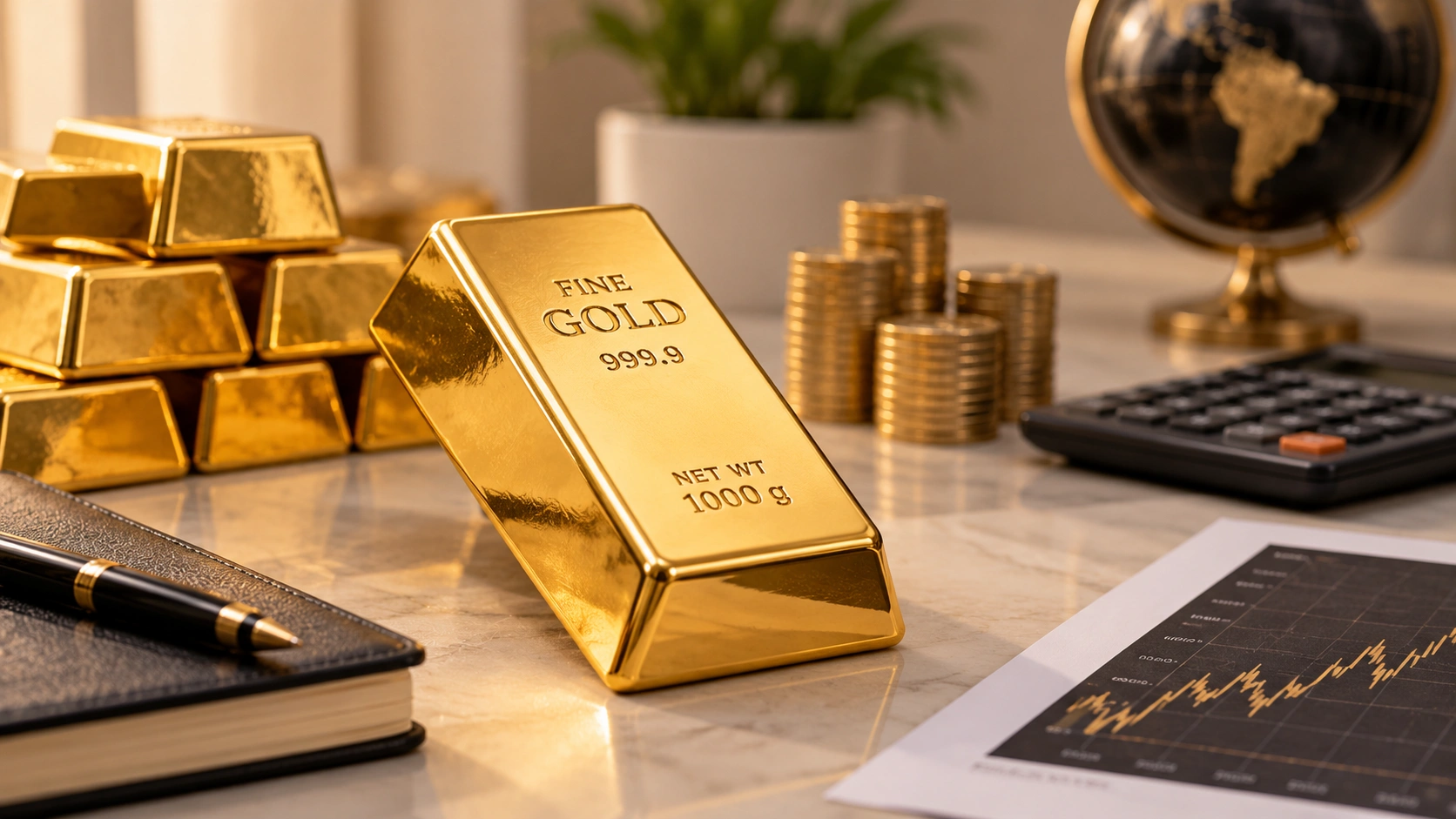
If you are wondering how much is a gold bar worth, the answer depends mainly on its weight, purity, and the current gold price. Gold bars come in many sizes, from tiny 1-gram bars to large institutional bars weighing hundreds of troy ounces. Their value changes as the market price of gold moves. On September 8, 2026, spot gold traded around $4,407 per troy ounce, according to Reuters. That means a standard 1-ounce bar has a metal value of roughly $4,407 before dealer premiums and other costs. However, the amount you pay at a dealer can differ from the raw gold value. Understanding this difference helps you make better buying or selling decisions.
What Determines How Much a Gold Bar Is Worth?
The most important factor is the current spot price of gold. The spot price represents the market value of gold for a specific quantity and purity. Dealers use this price as a starting point when they price physical bullion. If gold trades at $4,407 per troy ounce, one ounce of nearly pure gold has a metal value close to $4,407. The value rises or falls as the gold market changes. Reuters reported spot gold at $4,407.27 per ounce on September 8, 2026. Gold prices can move throughout the trading day, so the value of a bar can change even within a few hours. This makes the answer to how much is a gold bar worth a moving figure rather than a permanent price.
Weight also has a direct impact on a bar’s value. A 1-ounce bar contains far less gold than a 10-ounce or 100-ounce bar. If the gold price stays at $4,407 per ounce, a 10-ounce bar would have a theoretical metal value of about $44,073. A 100-ounce bar would contain approximately $440,727 worth of gold at the same price. These figures represent metal value rather than the final retail price. Dealers may add premiums for manufacturing, transportation, security, insurance, and distribution. Larger bars can sometimes have lower premiums per ounce because their production costs spread across more gold. The LBMA notes that smaller bars generally cost more per unit of weight because fixed manufacturing costs have a greater effect on their price.
How Much Is a 1-Ounce Gold Bar Worth?
A 1-ounce gold bar is one of the most recognizable forms of investment bullion. If gold trades at about $4,407 per troy ounce, the theoretical value of a 1-ounce bar containing one full troy ounce of fine gold would be about $4,407. The actual retail price may sit above that amount because the seller needs to cover manufacturing and business costs. A buyer may therefore pay a premium over spot. The size, refinery, packaging, market demand, and dealer can all influence the final price. When you compare products, focus on the total price rather than assuming every 1-ounce bar costs exactly the same amount. The same principle applies when you sell gold, because a dealer may offer less than the quoted retail price.
Purity also matters when calculating the value of a 1-ounce bar. Many investment bars contain 99.9% or 99.99% pure gold, while some recognized large-market bars meet a minimum fineness of 995 parts per thousand. A bar marked 999.9 contains 99.99% gold. If the gross weight is exactly one troy ounce, its fine-gold content is almost one troy ounce. LBMA conversion data shows that a 1-ounce bar with 999.9 fineness contains one fine troy ounce of gold. This distinction becomes important when you compare bars with different purity levels. Always check the weight and fineness stamped on the bar before estimating its value.
How Much Is a 10-Ounce Gold Bar Worth?
A 10-ounce gold bar contains ten troy ounces of gold when its stated weight represents fine gold at very high purity. Using a spot price of about $4,407 per ounce, the basic metal value would be approximately $44,073. The final purchase price can exceed that figure because dealers normally add a premium. The exact premium depends on the refinery, market conditions, availability, and seller. A buyer should compare the dealer’s total price with the current spot price rather than looking only at the bar’s advertised size. This approach makes it easier to identify the actual cost per ounce. It also helps you compare a 10-ounce bar with smaller options.
Larger bars often provide a different cost structure from smaller bars. A refinery can spread some production and packaging expenses across a greater quantity of metal. As a result, the premium per ounce may fall as bar size increases. However, that does not mean a 10-ounce bar always offers the lowest possible premium. Dealer inventory and market demand can change pricing at any time. The LBMA explains that smaller precious-metal bars tend to carry higher costs per unit of weight because fixed manufacturing expenses have a greater effect on small purchases. Buyers should therefore compare the final price per troy ounce when evaluating different bar sizes.
How Much Is a 100-Ounce Gold Bar Worth?
A 100-ounce gold bar represents a substantial investment. At a spot price near $4,407 per troy ounce, its theoretical gold content would have a value of roughly $440,700. The exact figure changes whenever the gold market moves. A $100 increase in the gold price would add about $10,000 to the theoretical value of a 100-ounce bar. Likewise, a $100 decline would reduce its metal value by about $10,000. This example shows why larger gold bars respond more dramatically in dollar terms to changes in the gold price. Investors should consider both the potential value and the larger capital commitment before buying substantial quantities of bullion. For more: Revenue vs Profit: What’s the Difference?
Large gold bars also require more attention to authentication, storage, transportation, and resale. A reputable dealer can provide documentation showing the refinery, weight, purity, and other identifying information. Professional standards can matter greatly when dealing with high-value bullion. The LBMA Good Delivery standard, for example, applies to large institutional gold bars and requires specific weight, purity, markings, and refinery standards. These institutional bars usually weigh several hundred troy ounces and serve a different purpose from smaller retail bars. Most individual investors will encounter 1-ounce, 10-ounce, or kilogram products rather than a full institutional bar.
How Much Is a Gold Bar Worth in Pakistan?
The value of a gold bar in Pakistan depends on the international gold price, the exchange rate between the U.S. dollar and Pakistani rupee, local market conditions, and the bar’s size and purity. On September 8, 2026, FXStreet reported a reference gold price in Pakistan of about PKR 39,601.85 per gram, or approximately PKR 461,932.20 per tola. Local dealer prices can differ because sellers may apply premiums, taxes, fees, or other market adjustments. Buyers should therefore treat international spot prices as a reference point rather than assuming they represent the exact amount they will pay locally.
Currency movements can have a major effect on local gold prices. Gold trades internationally in U.S. dollars, so a change in the PKR/USD exchange rate can influence the rupee price even when the dollar gold price remains relatively stable. Local demand and supply can also create differences between international and domestic prices. If you are comparing a gold bar with jewelry, remember that jewelry usually involves additional making charges and design costs. A bullion bar generally provides a more direct way to track the value of the underlying metal. Before buying, compare the seller’s price with the current gold price in Pakistan, the bar’s purity, and its exact weight.
How Gold Bar Size Changes Its Value
Gold bars come in many weights, and the size can dramatically change the total purchase price. Common retail products include 1 gram, 5 grams, 10 grams, 20 grams, 1 ounce, 50 grams, 100 grams, and larger bars. The LBMA’s conversion table lists fine-gold content for numerous standard bar sizes and purities. A 1-kilogram bar containing 999.9 fine gold contains about 32.148 fine troy ounces. This makes it possible to estimate its metal value by multiplying the fine-gold ounces by the current spot price. The calculation remains simple, even though the final retail price can include a premium.
Smaller bars can make gold more accessible to people with limited budgets. However, they may carry higher premiums per gram or ounce. Larger bars can reduce the premium per unit of gold, but they require more money upfront and can be less convenient to sell in small portions. This creates a practical trade-off for investors. Someone building a small physical gold position may prefer several smaller bars, while an investor making a large allocation may prefer fewer larger bars. When comparing products, calculate the price per gram or price per troy ounce. That figure provides a clearer comparison than looking only at the total price.
How Purity Affects Gold Bar Value
Purity tells you how much of a bar’s weight consists of actual gold. A bar marked 999.9 contains 99.99% gold, while a bar marked 995 contains 99.5% gold. The difference may appear small, but it matters when dealing with large quantities. To estimate fine-gold content, multiply the bar’s total weight by its purity percentage. For example, a 100-gram bar with 99.99% purity contains about 99.99 grams of fine gold. A 100-gram bar with 99.5% purity contains about 99.5 grams. You can then use the current gold price to estimate the underlying metal value.
A reputable bullion product should clearly identify important information such as weight, fineness, and refinery markings. Large institutional bars follow stricter standards. LBMA Good Delivery gold bars require at least 995 fineness and specific identifying marks, including a serial number, refinery stamp, and fineness information. Retail bars can follow different standards depending on the market and manufacturer. Before purchasing, check the bar’s certification and packaging when applicable. You should also buy from a reputable dealer. A low advertised price means little if the product has questionable authenticity or poor resale acceptance.
Gold Bar Price vs. Gold Spot Price
The spot price and the retail price of a gold bar are not the same thing. Spot price represents the market value of the underlying gold. A physical bar usually costs more because the seller must cover production, refining, packaging, distribution, insurance, and other expenses. The difference between the spot price and purchase price is often called the premium. The premium can vary significantly depending on the size and type of bar. LBMA notes that published gold prices generally represent wholesale-market pricing for large bars rather than the exact retail price of small investment bars.
The selling price can also differ from the buying price. When you purchase a bar, a dealer may charge a premium above spot. When you sell it, the dealer may offer a price below spot or near spot depending on market conditions and the product. This difference can affect your break-even point. For example, if you pay a large premium when buying a small bar, gold may need to rise before you recover that additional cost. Before purchasing physical gold, review both the dealer’s buy price and sell-back price. Understanding the spread can provide a more realistic picture of the investment.
How to Calculate the Value of a Gold Bar
You can estimate the metal value of a gold bar with a simple calculation. First, determine the bar’s weight in troy ounces. Next, check its purity. Then multiply the weight by the purity to find the fine-gold content. Finally, multiply the fine-gold content by the current spot price. For example, assume a bar weighs 10 troy ounces and has 99.99% purity. It contains approximately 9.999 troy ounces of fine gold. If spot gold trades at $4,407 per ounce, its theoretical metal value would be close to $44,069. You would then compare that figure with the dealer’s actual selling price.
The same process works for bars measured in grams or kilograms. You first convert the weight into troy ounces or use a reliable price-per-gram figure. The LBMA uses a conversion factor of 1 troy ounce = 0.0311034768 kilograms for gold weight calculations. Accuracy matters when valuing larger bars because even a small difference in weight or purity can represent a meaningful amount of money. For everyday purchases, a reputable dealer will normally provide the important specifications. Still, knowing how to perform the calculation yourself can help you compare offers and understand exactly what you are paying for.
Frequently Asked Questions
How much is a gold bar worth today?
The value depends on its weight, purity, and current gold price. On September 8, 2026, spot gold traded around $4,407 per troy ounce. A 1-ounce bar therefore has a theoretical metal value near $4,407 before premiums.
How much is a 1-ounce gold bar worth?
At a gold price of about $4,407 per troy ounce, a 1-ounce bar containing nearly one fine troy ounce has a metal value of about $4,407. The retail price can be higher because dealers may charge a premium.
How much is a 10-ounce gold bar worth?
At approximately $4,407 per troy ounce, 10 ounces of gold have a theoretical value of about $44,073. The actual purchase price depends on purity, dealer premium, refinery, and market conditions.
Is a gold bar worth more than its gold value?
Usually, a physical gold bar can sell for more than its raw metal value when you buy it from a dealer. Manufacturing and distribution costs create a premium. When selling, however, you may receive less than the retail price.
What is the best gold bar size to buy?
There is no single best size for everyone. Smaller bars offer flexibility and lower upfront costs, while larger bars may offer lower premiums per ounce. Compare the total price and premium before choosing.
Conclusion
So, how much is a gold bar worth? There is no single answer because gold bars come in many sizes and purities. Their underlying value depends on the current gold price, fine-gold content, and weight. On September 8, 2026, spot gold traded around $4,407 per troy ounce, giving a 1-ounce bar a theoretical metal value of roughly $4,407. The final retail price can rise above that amount because of dealer premiums and other costs.
If you are considering physical gold, compare the bar’s weight, purity, price per ounce, dealer premium, and resale terms. Also consider secure storage and authentication before making a purchase. For more useful information, explore related topics such as gold price per gram, gold bar sizes, and how to buy physical gold. These resources can help you understand the market and make a more informed bullion decision.