

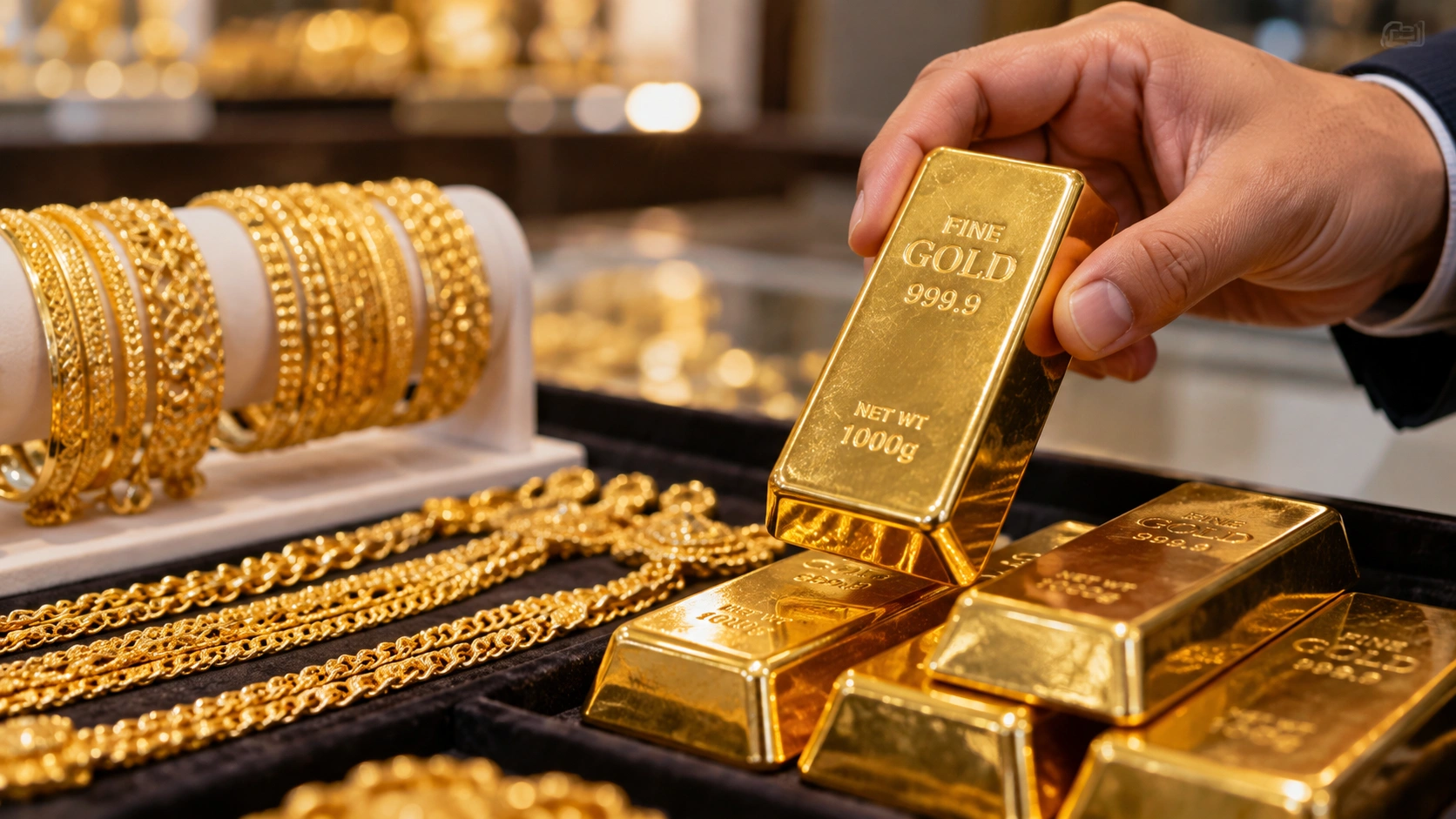
The gold price per gram is a useful way to understand how much gold is worth in a smaller, practical unit. Gold is commonly quoted internationally by the troy ounce, but many buyers prefer grams when comparing jewelry, coins, and small bars. The actual amount you pay can differ from the market value because purity, currency rates, dealer premiums, taxes, and manufacturing costs can affect the final price. Understanding these factors makes gold pricing easier for beginners to follow. Whether you are buying gold for jewelry, investment, or simply checking its current value, knowing how the per-gram calculation works can help you compare prices more confidently and avoid common mistakes.
What Is the Gold Price Per Gram?
The gold price per gram represents the estimated market value of one gram of gold. International gold prices are commonly quoted for one troy ounce, which contains approximately 31.1035 grams. To convert an ounce-based quotation into a gram-based figure, the ounce price is divided by 31.1035. This calculation normally represents highly pure gold before additional costs are considered. The resulting figure provides a useful reference for understanding the underlying metal value.
However, the displayed gold price should not automatically be considered the final amount a consumer pays. Jewelry stores, bullion dealers, and other sellers may add premiums, taxes, manufacturing charges, shipping costs, or other expenses. Therefore, the market value of one gram and the retail selling price of one gram can be different. Buyers should always check what is included in a quoted price before making comparisons or purchasing gold.
How Is Gold Price Per Gram Calculated?
Calculating the gold price per gram is relatively simple when the international price is available. The basic formula is: gold price per troy ounce divided by 31.1035. For example, if pure gold were quoted at $3,000 per troy ounce, dividing $3,000 by 31.1035 would produce approximately $96.45 per gram. This provides an estimated market value for one gram of pure gold before premiums or other charges.
Purity must also be considered when calculating the value of lower-karat gold. Pure or nearly pure gold is generally represented by 24-karat gold, while 22-karat gold contains approximately 91.6% gold. Eighteen-karat gold contains approximately 75% gold. Therefore, a gram of 18-karat gold does not contain one full gram of pure gold. Adjusting for purity provides a more realistic estimate of the gold content in jewelry and other products.
Why Gold Purity Matters
Gold purity has a direct effect on the underlying value of a gold item. Because pure gold is relatively soft, jewelry manufacturers often combine it with other metals to improve strength and durability. Karat markings indicate the proportion of gold present in the material. A 24-karat item contains the highest commonly traded purity, while 22-karat, 18-karat, and lower-karat products contain increasing amounts of other metals.
Gold purity can also be expressed through fineness numbers. For example, 999 generally indicates approximately 99.9% gold, while 916 indicates approximately 91.6% gold and 750 indicates approximately 75% gold. These markings are useful when comparing products from different sellers or countries. Buyers should check hallmarks, certificates, or professional testing where appropriate. Weight alone cannot determine the actual gold value because two items with identical weights may contain very different amounts of pure gold.
What Affects Gold Prices?
Several factors can influence the international gold market and therefore affect the gold price per gram. Investor demand, economic uncertainty, inflation expectations, interest-rate changes, currency movements, central-bank activity, and global financial conditions can all contribute to price changes. Gold is traded in international markets, so its value can move throughout the day rather than remaining fixed. This is why prices found online may change between different times.
The U.S. dollar also plays an important role because international gold prices are commonly quoted in dollars. When exchange rates change, the price of gold in another currency can move even if the dollar-denominated gold price remains relatively stable. Local supply and demand, taxes, dealer premiums, and market conditions can create additional differences. Consequently, buyers should consider both international gold prices and local market conditions when checking a current rate.
Gold Price Per Gram and Jewelry
The gold price per gram is not the same as the final price of gold jewelry. Jewelry includes costs beyond the value of the metal itself. A retailer may include design expenses, labor, manufacturing charges, gemstones, branding, packaging, transportation, taxes, and profit margins. These additional costs can make a finished ring, necklace, bracelet, or other item significantly more expensive than the raw gold content alone.
For this reason, buyers should request a clear breakdown before purchasing jewelry. Check the item’s weight, purity, gold rate, making charges, taxes, and any other fees. Two stores can sell similar-looking products at different prices because their labor charges and margins may differ. Comparing only the advertised total price can therefore be misleading. A detailed invoice makes it easier to understand exactly what you are paying for and compare different sellers accurately.
Gold Price Per Gram in Different Currencies
The gold price per gram can look different depending on the currency being used. International gold prices are commonly quoted in U.S. dollars, so converting that value into Pakistani rupees, British pounds, euros, or another currency requires an exchange-rate calculation. If the local currency weakens against the dollar, gold may become more expensive locally even when the international dollar price remains unchanged. For more: How Much Does Elon Musk Make a Second? 2026 Breakdown
Currency movements are particularly important for buyers who follow gold prices in their domestic market. Local dealers may also apply premiums based on supply, demand, operating costs, and market conditions. Taxes and regulations can further affect the final retail price. This means an international gold calculator can provide a useful reference, but it should not automatically be treated as the exact price available from a local seller. Always check the current local quotation before buying or selling.
How to Check the Current Gold Price
Checking the current gold price per gram requires attention to the unit, purity, currency, and type of quotation. First, determine whether the price refers to pure 24-karat gold or another purity. Next, confirm whether the quoted amount is a market reference, dealer selling price, or dealer buying price. These figures can be different because each represents a different stage of the transaction.
It is also important to confirm whether the price is quoted per gram, troy ounce, kilogram, or another traditional measurement. One troy ounce equals approximately 31.1035 grams, so confusing regular ounces with troy ounces can create inaccurate calculations. When comparing prices online, use sources that clearly identify their units and update their information regularly. Readers can also explore related internal guides about gold purity, gold weight conversion, and gold investment to understand pricing more thoroughly.
Gold Price Per Gram for Investors
Gold investors often use the gold price per gram to compare small bars, coins, and other physical gold products. However, investment products may sell above the underlying market value because dealers must cover manufacturing, packaging, certification, distribution, and operating costs. Smaller gold bars can sometimes carry a higher premium per gram because fixed production expenses represent a larger percentage of their overall value.
Investors should also consider the difference between buying and selling prices. A dealer may sell gold at one price and purchase it back at a lower price. This difference helps cover business costs and market risk. Therefore, simply comparing the purchase price with the market rate does not provide a complete picture of potential costs. Before purchasing physical gold, buyers should understand premiums, resale conditions, storage considerations, authenticity, and documentation requirements.
Common Mistakes When Comparing Gold Prices
One common mistake is comparing gold prices without checking purity. A quoted price for 24-karat gold cannot be directly compared with a price for 18-karat jewelry without adjusting for the difference in gold content. Another mistake is assuming that every seller includes the same charges. One retailer may include taxes or making charges in the advertised price, while another may add them separately during checkout.
Buyers should also avoid relying on outdated quotations. Gold prices can change regularly because international markets and currency exchange rates move continuously. A price seen yesterday may not represent today’s market. When buying or selling, confirm the current rate and ask how the seller calculated the final amount. Checking weight, purity, premiums, taxes, and additional charges together gives a much clearer picture than focusing on one headline number alone.
Frequently Asked Questions
What is the gold price per gram?
The gold price per gram is the estimated value of one gram of gold based on its market price and purity. Retail prices may be higher because of additional costs.
How many grams are in one troy ounce?
One troy ounce contains approximately 31.1035 grams. Gold markets generally use troy ounces rather than standard household ounces when quoting precious-metal prices.
Is 24-karat gold more valuable per gram?
Generally, yes, because 24-karat gold contains the highest proportion of pure gold. Lower-karat gold contains other metals, reducing its pure-gold content per gram.
Why does jewelry cost more than its gold value?
Jewelry prices can include workmanship, design, gemstones, taxes, retailer margins, manufacturing expenses, and other costs beyond the value of the gold itself.
Can gold prices change during the day?
Yes. International gold markets and currency exchange rates can move throughout the day, causing local and international gold prices to change.
Conclusion
Understanding the gold price per gram gives buyers a practical way to compare gold products and estimate the underlying value of different items. The most important factors are market price, purity, weight, currency exchange rates, dealer premiums, taxes, and manufacturing costs. A simple per-gram figure is useful, but it should always be viewed in context rather than treated as the final retail price.
Before buying or selling gold, verify the current quotation and confirm the item’s weight and purity. Ask about additional charges and compare complete prices from reputable sellers. Taking these steps can make gold pricing much easier to understand and help you make a more informed purchase or sale. For further guidance, explore related internal articles covering gold purity, gold investment, and gold weight calculations.
1 Comment