

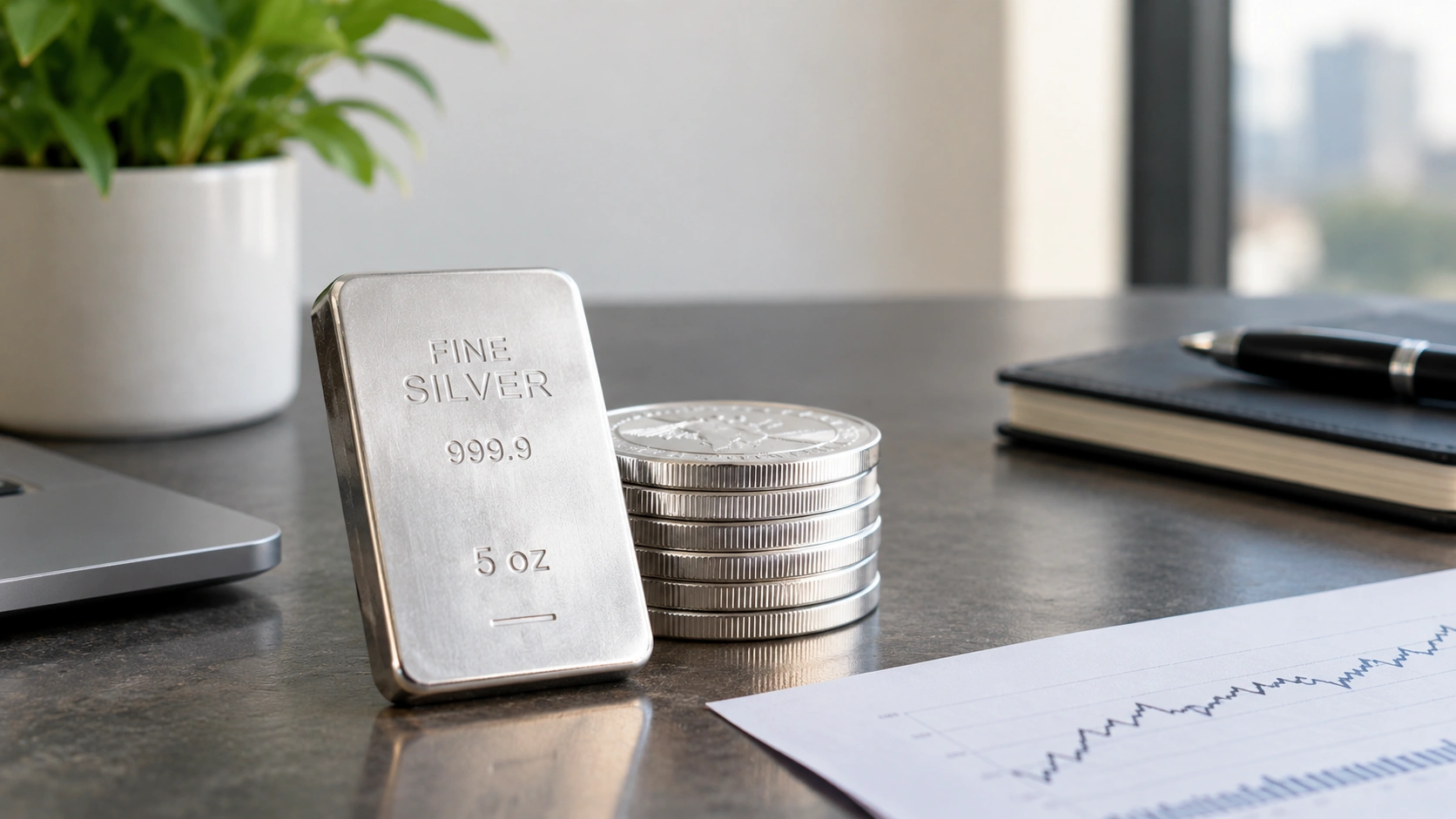
Silver 5 oz usually refers to a silver product containing five troy ounces of silver. It may come as a bar, round, or collectible piece, depending on the mint or private manufacturer. For precious metals, the word “ounce” normally means a troy ounce, which is slightly heavier than the everyday avoirdupois ounce. Five troy ounces equal approximately 155.5 grams, making this size larger than common 1 oz silver products while still being relatively easy to handle and store.
For beginners, a 5 oz silver product can be an interesting middle ground between small silver pieces and larger bullion bars. Its value generally depends on the amount of silver it contains, the current spot price, purity, brand, design, and dealer premium. Some products are intended mainly for investment, while others attract collectors because of limited mintages, special designs, or historical themes. Understanding these differences can help buyers evaluate a product more carefully.
Understanding the Weight of Silver 5 oz
When discussing silver 5 oz, it is important to understand that precious-metal measurements use the troy-ounce system. One troy ounce weighs about 31.1035 grams, so five troy ounces equal approximately 155.52 grams. This distinction matters because a standard ounce used for everyday goods weighs about 28.35 grams. Therefore, five troy ounces are not exactly the same as five regular ounces.
The weight itself is one of the easiest ways to understand the underlying silver content of a bullion product. If a bar is marked “5 oz .999 fine silver,” it generally indicates five troy ounces of silver with a purity of 99.9%. Buyers should still examine the complete markings because weight and purity work together to determine the actual precious-metal content. Reputable products normally identify their weight, fineness, and manufacturer clearly. Checking these details before purchasing is a simple but important step, particularly when buying from unfamiliar sellers or private marketplaces.
How Much Is Silver 5 oz Worth?
The basic metal value of silver 5 oz can be estimated by multiplying five troy ounces by the current silver spot price. For example, if silver were trading at $30 per troy ounce, the theoretical melt value of five troy ounces would be $150. This calculation represents the value of the silver itself rather than necessarily the price a buyer will pay for a finished product.
Actual retail prices can be higher because dealers need to cover manufacturing, refining, transportation, distribution, and business costs. Collectible products can carry an even larger premium because their price may reflect design, scarcity, demand, or packaging. When selling, the amount received can also differ from the spot-based calculation. Dealers commonly use a bid price that reflects current market conditions. For that reason, anyone researching silver 5 oz should distinguish between spot value, retail price, and potential resale value rather than assuming they are identical.
Silver 5 oz Bars vs. Rounds
A 5 oz silver bar is generally designed with investment purposes in mind. Bars can have a simple appearance and often display information such as weight, purity, refinery or mint name, and sometimes a serial number. Because the design is usually focused on the metal rather than collectibility, premiums may be relatively straightforward. However, the exact premium still depends on the manufacturer, market demand, availability, and dealer.
A 5 oz silver round is another common format. Rounds resemble coins but are generally not government-issued legal tender. They can feature artistic designs, historical themes, animals, symbols, or mint branding. For someone comparing different forms of silver 5 oz, the important questions are not simply which design looks better but whether the product has recognizable markings, reliable provenance, and a reasonable premium. A generic round may appeal to a bullion buyer, while a highly detailed limited-edition piece may appeal more to collectors. Understanding the intended market can make comparisons much easier.
Silver 5 oz Coins and Collectible Pieces
Some silver 5 oz products are produced as large-format coins or commemorative pieces. These can be particularly attractive because they combine substantial silver content with detailed artwork. Government-backed coins may also have legal-tender denominations, although their face value is generally far below the market value of the silver they contain. The design and issuing authority can therefore be important factors when comparing products.
Collectible silver pieces require a slightly different approach from ordinary bullion. A limited mintage, unusual design, historical connection, or strong collector following can influence the market price. At the same time, a higher retail price does not automatically mean that an item will appreciate more than ordinary bullion. Buyers should research the product’s mintage, previous sales, condition requirements, and dealer pricing before paying a substantial premium. When evaluating silver 5 oz for collection purposes, separating the intrinsic metal value from the collectible component provides a clearer picture of what is actually being purchased.
What Affects the Price of Silver 5 oz?
The spot price of silver is the primary factor influencing the base value of silver 5 oz. Silver prices can move because of investment demand, industrial consumption, currency movements, interest-rate expectations, economic conditions, and broader precious-metal market activity. Since five troy ounces contain five times the silver of a standard 1 oz piece, changes in the spot price can have a noticeable effect on the product’s underlying value.
The premium is another important factor. Two products containing exactly five troy ounces of .999 fine silver can sell for noticeably different prices. Brand recognition, production costs, scarcity, design, packaging, and market demand can all influence the difference. Buyers should compare the final price with the current spot value and calculate the premium rather than judging a product solely by its appearance. This is particularly useful when comparing generic bars with branded products or collectible designs. A clear understanding of these components makes the price of silver 5 oz much easier to evaluate.
How to Buy Silver 5 oz Safely
When buying silver 5 oz, start by checking the seller rather than focusing only on the product photograph. Established bullion dealers generally provide detailed specifications, clear pricing, and information about their buying and return policies. The product should normally identify its weight and fineness, and the description should explain whether it is a bar, round, coin, or collectible item. Extremely low prices deserve additional scrutiny because precious-metal products are frequently targeted by counterfeiters. For more: One Gram of Silver: Complete Price and Value Guide
It is also useful to compare several sellers before placing an order. Look at the total delivered cost rather than just the advertised product price because shipping, payment fees, and other charges can affect the final amount. For higher-value purchases, buyers may also consider products from recognizable mints or refiners with established reputations. After receiving the item, keep invoices and packaging when practical, particularly if resale may be important later. These basic precautions can reduce unnecessary risks when purchasing silver 5 oz and make future valuation or resale easier.
How to Check Silver 5 oz Authenticity
Authenticity is an important consideration with silver 5 oz, especially when purchasing through private sellers, auctions, or unfamiliar online marketplaces. Basic checks can include examining the stated weight, dimensions, markings, finish, and manufacturer information. A reliable precision scale can help confirm weight, although weight alone cannot prove that an item is genuine. Counterfeit pieces can sometimes be manufactured to imitate both appearance and weight.
Professional dealers and precious-metal testing services can provide more advanced verification. Depending on the circumstances, testing methods may include electrical conductivity, ultrasonic testing, or X-ray fluorescence analysis. Buyers should avoid damaging or cutting a silver product simply to test it unless a professional recommends such an approach. Documentation and a clear purchase history can also add confidence. If a five-ounce item has unusual markings, an inconsistent weight, an implausible price, or poor-quality manufacturing, additional verification is sensible before treating it as genuine silver 5 oz.
Storing and Selling Silver 5 oz
Proper storage helps keep silver 5 oz products in good condition. Silver can develop tarnish or surface discoloration over time because of environmental exposure, although ordinary tarnishing does not necessarily mean that the silver has lost its underlying metal value. Individual protective holders, capsules, or suitable packaging can help reduce scratches and unnecessary handling. Collectible pieces may require extra care because their condition can influence their potential collector value.
Selling also requires some preparation. Before accepting an offer, compare prices from multiple reputable buyers and check the current silver spot price. A dealer may offer less than the retail price because the dealer needs room for operating costs and resale. Collectible products can follow a different pricing pattern, so researching the specific item may be worthwhile. Keeping purchase records, original packaging, certificates, and other documentation can sometimes make a transaction easier. Whether the goal is long-term ownership, diversification, or collecting, understanding both the purchase and resale sides of silver 5 oz is important.
Silver 5 oz for Beginners
For beginners, silver 5 oz can provide a practical introduction to larger-format precious-metal products without immediately moving into very large bars. The size gives buyers more silver exposure per individual piece than a 1 oz product, while remaining considerably smaller than many institutional-style bullion bars. This can make five-ounce products convenient for people who prefer tangible silver in manageable units.
However, buyers should first decide what they actually want from the purchase. Someone focused mainly on silver content may prioritize low premiums and recognizable bullion products. A collector may instead place greater importance on design, minting history, condition, or limited production. Neither approach automatically makes a particular product suitable for everyone. Comparing the silver content, purity, premium, liquidity, and seller reputation can provide a more useful framework than choosing solely because a product looks attractive. For anyone researching silver 5 oz for the first time, these fundamentals provide a solid starting point.
Frequently Asked Questions
How many grams is silver 5 oz?
Five troy ounces of silver equal approximately 155.52 grams. Precious metals are normally measured using troy ounces rather than standard everyday ounces.
Is silver 5 oz pure silver?
Many five-ounce bullion products are made from .999 fine silver, but purity varies by product. Always check the stated fineness before buying.
Is silver 5 oz a good size for beginners?
Five troy ounces can be a manageable size for beginners because it offers more silver per piece than 1 oz products without requiring a very large purchase.
How do I calculate the value of silver 5 oz?
Multiply the current silver spot price per troy ounce by five to estimate the metal’s spot value. Retail prices can be higher because of premiums and other costs.
Should I buy a silver 5 oz bar or round?
The choice depends on your goal. Bars often emphasize bullion value, while rounds can offer more design variety. Compare premiums, authenticity, reputation, and resale considerations.
Conclusion
Silver 5 oz represents a five-troy-ounce quantity of silver, typically found in bars, rounds, coins, and collectible products. Its underlying value is closely connected to the silver spot price, while the final purchase price can also reflect purity, manufacturing costs, brand reputation, scarcity, and collector demand.
Before buying, check the weight, fineness, seller reputation, premium, and potential resale market. Whether you are exploring physical silver for the first time or adding another size to an existing collection, careful comparison can help you understand exactly what you are purchasing. Use the information above as a starting point, then research the specific product and current market price before making a purchase.

1 Comment