If you are wondering how much is one gold bar worth, there is no single price for every gold bar. The value depends on the bar’s weight, purity, and the current market price of gold. Small bars can be worth hundreds of dollars, while large professional bullion bars can be worth more than a million dollars. Gold prices also change regularly, so the value of the same bar can move from one day to another. Understanding the difference between gold’s spot price, the bar’s actual gold content, and dealer premiums can help you make a more accurate estimate before buying or selling.
What Determines How Much a Gold Bar Is Worth?
The biggest factors determining gold bar value are weight, purity, and the current gold spot price. Weight tells you how much metal the bar contains, while purity tells you how much of that metal is actually gold. A bar marked 99.99% contains almost entirely pure gold. The spot price then provides the market value for each troy ounce of gold. For example, Reuters reported spot gold at about $4,437 per troy ounce on September 3, 2026. Therefore, a 1-ounce bar would have a basic gold value of roughly $4,437 before additional costs.
The price you actually pay for a physical gold bar can be higher than its calculated metal value. Dealers usually add a premium to cover refining, manufacturing, packaging, distribution, and business expenses. When you sell a bar, the dealer’s offer may also be below the current spot price. This difference means the question how much is one gold bar worth has two answers: its theoretical gold value and its real-world buying or selling price. Comparing both figures is important, especially when purchasing larger amounts of bullion or planning to sell later.
How Much Is a 1-Ounce Gold Bar Worth?
A 1-ounce gold bar is a popular size among individual investors because it offers a relatively simple way to own physical gold. If the spot price is approximately $4,437 per troy ounce, a 1-ounce bar contains gold worth about $4,437 at the market level. The actual retail price can be somewhat higher because of the dealer’s premium. Similarly, the amount you receive when selling may be lower than the spot-based value. Checking the current price before making a transaction gives you a much better idea of what the bar is worth.
One important detail is that gold is measured in troy ounces, not ordinary household ounces. One troy ounce equals approximately 31.1035 grams. This distinction matters when comparing gold bars with different weights. For example, a 10-gram bar contains less gold than a 1-troy-ounce bar, even though both may be described simply by their weight. If you are comparing products, look carefully at the stated weight, purity, and price per ounce of fine gold rather than judging value by the physical size of the bar alone.
How Much Is a 400-Ounce Gold Bar Worth?
Large gold bars used in professional bullion markets are commonly close to 400 troy ounces. However, they are not required to weigh exactly 400 ounces. The London Bullion Market Association’s Good Delivery standard allows gold bars to contain between 350 and 430 fine troy ounces, with a minimum fineness of 995 parts per thousand. This means the exact value of a large bar depends on its documented fine-gold weight and current market price. Using $4,437 per ounce as an example, 400 fine ounces would represent approximately $1.775 million in gold. For more: CAD to USD: Convert Canadian Dollars to US Dollars
The actual value of a professional bar can therefore differ considerably from a simple 400-ounce calculation. LBMA weight records separately identify gross weight, assay, and fine weight, showing why the precise specifications matter. These large bars are generally associated with institutional bullion trading rather than ordinary retail purchases. For a buyer or seller, the bar’s serial number, refiner information, fineness, weight documentation, and market acceptability can all influence the transaction. The metal value is important, but verification and marketability also matter when dealing with high-value bullion.
Gold Bar Value by Weight
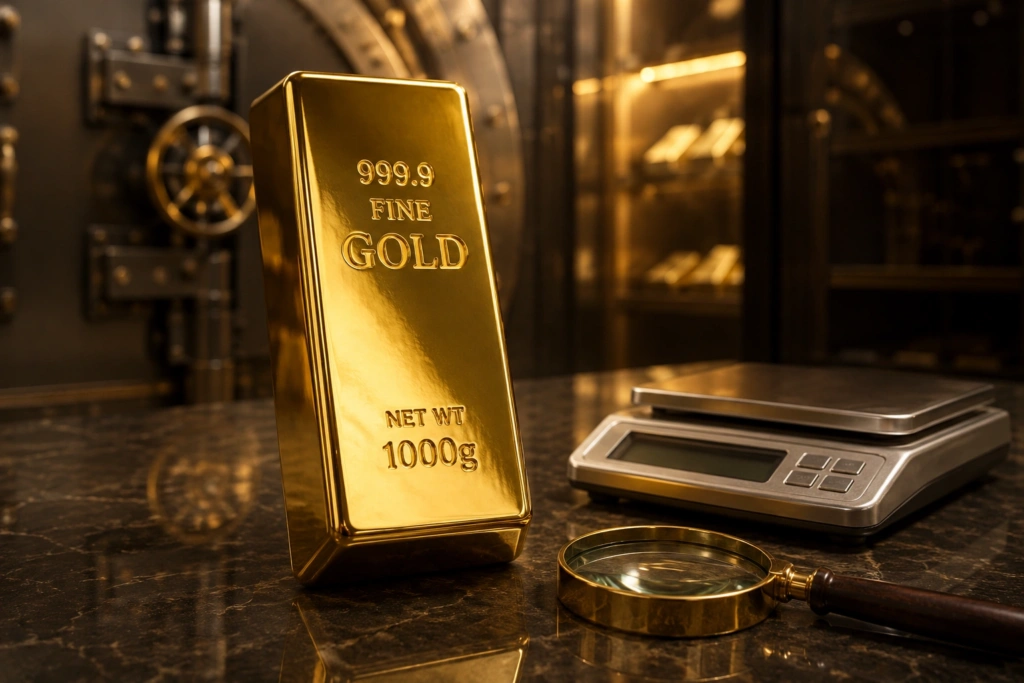
Gold bars are available in many sizes, including 1 gram, 5 grams, 10 grams, 1 ounce, 10 ounces, and much larger formats. Their values generally increase in proportion to the amount of fine gold they contain. Using an illustrative gold price of $4,437 per troy ounce, a 1-gram bar would contain roughly $143 of gold, while a 10-gram bar would contain about $1,427. A 10-ounce bar would contain approximately $44,370. These are estimates based on the assumed spot price and do not include dealer premiums, taxes, shipping, or other transaction costs.
Larger bars can sometimes have lower premiums per ounce because manufacturing and distribution costs are spread over a greater amount of gold. Smaller bars, on the other hand, may carry higher premiums because they require additional packaging and production relative to their gold content. This does not automatically make one size better than another. Smaller bars can offer flexibility, while larger bars may provide better pricing per ounce. When comparing options, consider both the purchase premium and how easily the bar could be resold in the future.
How to Calculate the Value of a Gold Bar
Calculating a gold bar’s approximate value is straightforward once you know its weight and purity. First, determine the amount of fine gold in the bar. Then convert that amount into troy ounces and multiply it by the current gold spot price. For example, a 10-ounce bar with 99.99% purity contains almost 10 troy ounces of fine gold. If gold is trading at $4,437 per ounce, its basic metal value would be close to $44,370. This calculation provides a useful estimate before adding or subtracting dealer premiums and transaction costs.
If you are selling a gold bar, do not assume that the spot price is automatically the amount you will receive. Dealers normally purchase below their retail selling price, and the difference can reflect their operating costs and market risk. A reputable buyer should explain the weight, purity, applicable price, and any deductions involved in the offer. Before accepting a quote, compare it with current market conditions and other reputable dealers. This simple step can help you understand whether an offer is reasonable and prevent confusion between the gold’s market value and the actual cash price.
Frequently Asked Questions
How much is one gold bar worth today?
It depends on the bar’s weight and purity. As a current example, spot gold was around $4,437 per troy ounce on September 3, 2026, according to Reuters.
How much is a 1-ounce gold bar worth?
A 1-ounce bar has approximately the market value of one troy ounce of fine gold. Its retail price may be higher because of the dealer’s premium.
How much is a 400-ounce gold bar worth?
At $4,437 per ounce, 400 fine troy ounces would have a theoretical value of about $1.775 million. Actual Good Delivery bars can vary in weight.
Does gold purity affect the price?
Yes. Higher purity means a greater proportion of the bar consists of fine gold. The purity should be considered alongside the bar’s total weight.
Can I sell a gold bar for the spot price?
Not necessarily. A dealer may offer less than spot because of the buying spread, operating costs, and current market conditions.
Conclusion
So, how much is one gold bar worth depends on its exact weight, purity, and the current price of gold. A small bar may be worth hundreds of dollars, while a large professional bullion bar can be worth well over a million dollars. The most reliable approach is to calculate the fine-gold content and compare it with the latest spot price. If you are buying or selling physical gold, also compare dealer premiums and buyback offers. Taking these factors into account will give you a clearer picture of the bar’s true market value.