

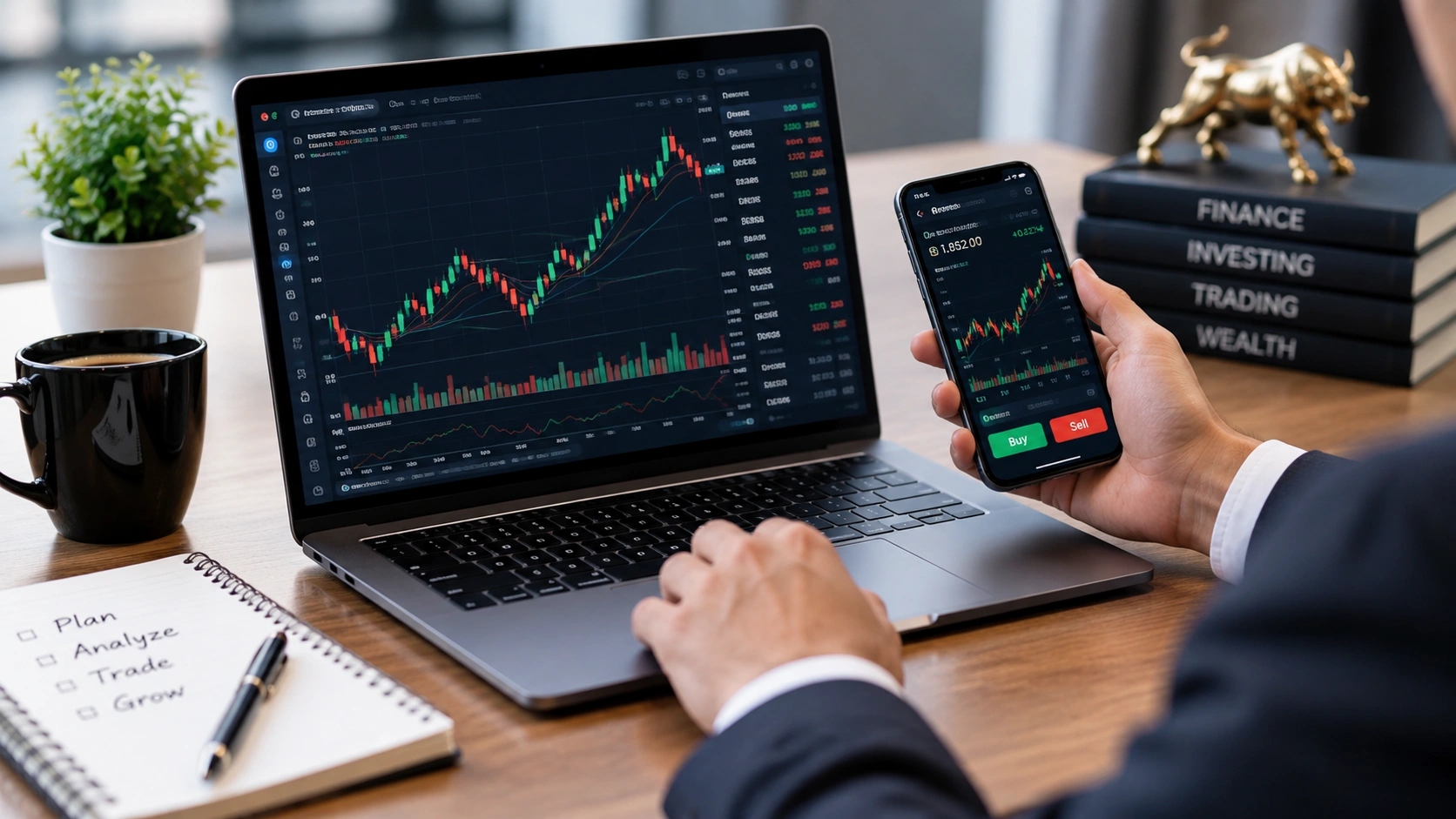
Online trading platforms have changed how people access financial markets. Instead of calling a broker or visiting a trading office, users can now buy and sell assets through a website, desktop application, or mobile app. These platforms may provide access to stocks, exchange-traded funds, currencies, commodities, cryptocurrencies, and other financial products. However, every platform offers different fees, tools, security standards, and account conditions. Choosing the right service requires more than selecting the most popular app. Traders should understand how orders work, how money is protected, and which features support their goals. This guide explains the key points beginners should consider before opening a trading account.
What Are Online Trading Platforms?
Online trading platforms are digital systems that allow people to research markets, place orders, monitor investments, and manage trading accounts. A platform may be operated by a traditional brokerage firm, a financial technology company, or a specialized trading provider. Depending on the service, users can trade shares, bonds, funds, currencies, commodities, or digital assets from an internet-connected device. Some platforms are designed for long-term investors, while others focus on active traders who need advanced charts and fast order execution.
Most platforms combine several services in one dashboard. Users may see live or delayed prices, account balances, portfolio performance, market news, research reports, and order history. A beginner might use a simple mobile app to buy an exchange-traded fund, while an experienced trader may use a desktop platform with technical indicators and automated strategies. Before choosing a provider, it is useful to read related content about investing basics, asset allocation, and the difference between trading and long-term investing.
How Online Trading Platforms Work
When a trader places an order, the platform sends the instruction to the brokerage system for processing. The order may then be routed to an exchange, market maker, liquidity provider, or another execution venue. The exact process depends on the asset being traded and the broker’s business model. Market orders generally aim to execute quickly at the available price, while limit orders execute only at a chosen price or a better one. Understanding these differences can help traders avoid unexpected results.
The platform normally displays the order status after submission. An order may be filled completely, filled partly, rejected, cancelled, or left pending. Market conditions, available liquidity, trading hours, and account restrictions can affect execution. For example, a limit order to buy a stock at $50 may remain open if the market never reaches that price. Beginners should practice different order types through a demo account and learn how stop-loss, take-profit, and trailing-stop instructions operate before using real money.
Important Features to Compare
The best online trading platforms provide a balance of usability, market access, research, and risk-management tools. A clean interface is especially useful for beginners because confusing menus can lead to costly mistakes. Traders should look for clear price information, simple order tickets, portfolio reports, watchlists, and reliable account statements. More advanced users may need customizable charts, technical indicators, alerts, multiple order types, and integration with analytical software.
Useful features to compare include:
- Access to the markets and assets you want to trade.
- Desktop, browser, and mobile availability.
- Real-time pricing and charting tools.
- Stop-loss and limit-order functionality.
- Portfolio tracking and performance reports.
- Educational material and market research.
- Two-factor authentication and account alerts.
- Responsive customer support.
A platform does not need to offer every possible feature to be suitable. For instance, a long-term investor may value automatic contributions and low fund fees more than advanced charting. A day trader may prioritize execution speed and stable market data. The right choice depends on trading frequency, experience, preferred assets, and the amount of control the user wants over each transaction.
Trading Fees and Other Costs
Fees can have a major effect on investment results, especially when users trade frequently or hold small positions. Online trading platforms may charge commissions, spreads, account fees, currency conversion costs, withdrawal fees, or financing charges. Some providers advertise commission-free trading, but this does not always mean trading is completely free. Costs may appear through wider spreads, currency conversion, payment processing, or other account services. For more: Forex Broker: How to Choose the Right One
Before opening an account, read the complete pricing schedule and look for conditions that apply to your situation. A trader buying international shares may pay foreign exchange charges, while someone using leveraged products may face overnight financing costs. An inactive account could also attract a maintenance fee with some providers. Comparing the total cost of a typical trade is more useful than comparing one advertised price. An internal guide about investment fees can help readers understand how small charges may reduce returns over time.
Security, Regulation, and Account Protection
Security should be a central consideration when comparing online trading platforms. A trustworthy provider should use strong login protection, encrypted connections, account monitoring, and clear procedures for suspicious activity. Two-factor authentication adds another layer of protection by requiring a second verification method during login or sensitive account actions. Traders should also create a unique password and avoid accessing financial accounts through unsecured public networks.
Regulation is equally important because it provides a framework for how a financial company must operate. Users should verify the provider’s legal name, license information, and supervising authority through official regulatory records. Account protection rules vary by country and by product, so traders should not assume that every deposit or investment has the same safeguards. Regulation cannot prevent market losses, but it may provide stronger standards for client money, reporting, complaints, and business conduct. Readers can learn more through a related article about recognizing investment scams and checking financial licenses.
Mobile Trading and Desktop Platforms
Mobile trading apps make it possible to monitor positions and place orders while away from a computer. They are convenient for checking alerts, reviewing balances, reading market news, and managing simple transactions. However, a small screen may make detailed chart analysis or complex order management more difficult. Notifications can also encourage users to react emotionally to short-term price movements, especially when markets are volatile.
Desktop and browser-based platforms often provide more space for charts, watchlists, research windows, and portfolio analysis. Experienced traders may prefer desktop software because it supports multiple screens and advanced customization. The best approach is to test both mobile and desktop versions before making a large deposit. A strong platform should display consistent account information across devices and should not make users repeat important security checks unnecessarily. Traders should also confirm that the app is downloaded from an official store or the provider’s verified website.
Demo Accounts and Educational Resources
A demo account allows users to practice trading with simulated funds. It can help beginners learn how to search for assets, place orders, set risk controls, and review performance without immediately risking real money. Demo trading is also useful for testing a platform’s layout and understanding how spreads, order delays, and price movements affect transactions. However, simulated results may not fully reflect live trading because real money introduces emotions and different execution conditions.
Educational resources can improve decision-making when they explain concepts clearly and realistically. Look for lessons about market orders, leverage, diversification, technical analysis, fundamental analysis, and position sizing. Reliable education should discuss both potential gains and possible losses rather than promoting a strategy as guaranteed. Beginners may benefit from reading internal guides about trading psychology, financial goals, and risk management before moving from a demo account to live trading.
Choosing a Platform for Your Trading Style
Your trading style should determine which online trading platforms you consider. A long-term investor may need access to stocks, funds, retirement accounts, dividend information, and automatic investment features. A swing trader may focus on charting tools, price alerts, economic calendars, and flexible order types. A day trader may require fast execution, detailed market data, stable software, and transparent pricing during active market hours.
Consider the following questions before choosing a provider:
- Which assets do you plan to trade?
- How often will you place orders?
- Do you need leverage or margin?
- Will you trade locally or internationally?
- How much can you afford to risk?
- Do you prefer a mobile app or desktop software?
- What level of research and support do you need?
For example, a beginner investing a fixed amount each month may benefit from a simple platform with low account costs and automatic contributions. Someone trading currency pairs several times a day may need different tools and pricing. Choosing based on personal needs is usually safer than copying another trader’s platform without understanding the differences.
Common Mistakes Beginners Should Avoid
One of the most common mistakes is selecting a platform because of advertising, celebrity promotion, or a large sign-up bonus. Promotional offers do not prove that a provider has fair pricing, strong security, or dependable customer support. Another mistake is failing to read the terms related to withdrawals, identity checks, margin, and account restrictions. These details may seem unimportant during registration but can become critical when money needs to be moved.
Beginners should also avoid trading with borrowed money or risking funds needed for rent, bills, education, or emergencies. Excessive activity can increase costs and lead to emotional decisions. A written trading plan should define the assets being traded, entry and exit rules, position size, and maximum acceptable loss. It is also wise to review account statements regularly and keep records of deposits, withdrawals, and completed trades. A disciplined process is more valuable than constantly switching platforms after every losing trade.
Frequently Asked Questions
Are online trading platforms safe for beginners?
Some platforms are well regulated and use strong security measures, but safety depends on the provider, product, and country. Verify licensing, read account terms, use two-factor authentication, and start with a small amount while learning.
Which assets can I trade through online platforms?
Available assets vary by provider. Common options include stocks, exchange-traded funds, bonds, currencies, commodities, options, futures, and cryptocurrencies. Check the platform’s product list and confirm that the assets are available in your region.
Do online trading platforms charge fees?
Many platforms charge some form of fee, even when they advertise commission-free trading. Possible costs include spreads, currency conversion charges, financing, withdrawals, and account maintenance. Always review the full pricing schedule before depositing money.
Can I practice trading without risking real money?
Yes. Many providers offer demo accounts with simulated funds. These accounts help users practice order placement, chart reading, and risk controls. However, live trading may feel different because real money creates emotional pressure.
How much money should a beginner deposit?
There is no universal amount. Beginners should use only money they can afford to lose and should avoid essential savings or borrowed funds. Starting small can help users test the platform and understand the risks before increasing their exposure.
Conclusion
Online trading platforms make financial markets more accessible, but convenience should not replace careful research. Before choosing a provider, compare regulation, security, fees, market access, order types, educational resources, and customer support. Test the platform through a demo account and make sure its features match your trading style. Remember that no platform can guarantee profits or remove market risk. A thoughtful approach, realistic expectations, and strong risk-management habits can help you make better decisions. Take time to compare suitable providers, read the account conditions, and begin with a level of exposure that fits your financial situation.
1 Comment