

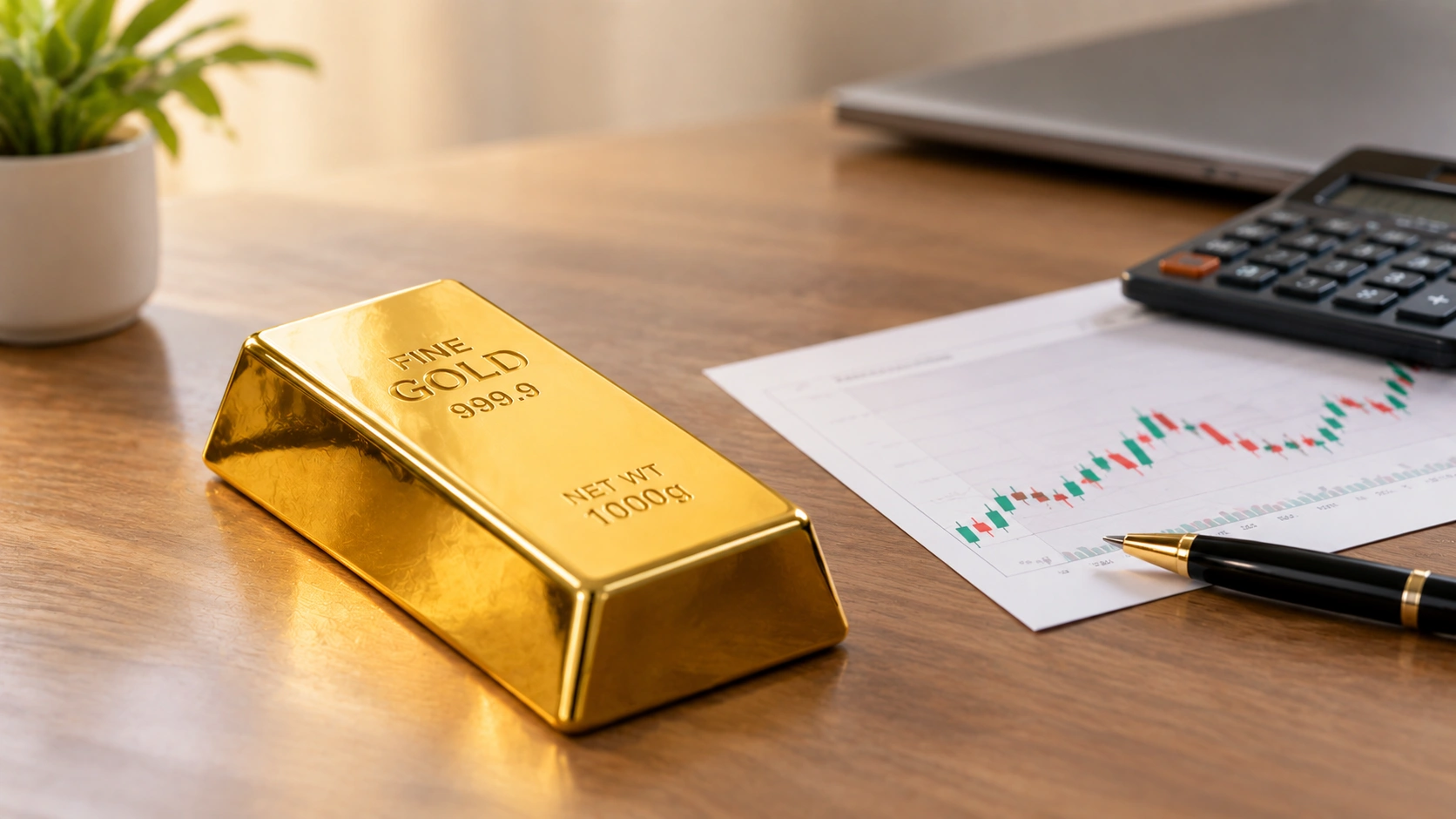
If you are searching for how much is one 24k gold bar worth, the answer depends mainly on the bar’s weight and the current market price of pure gold. A 24K gold bar is typically made from gold with a fineness of 99.9% or higher, making its value closely connected to the international gold price. A small 1-gram bar and a large 1-kilogram bar can both be 24K, but their total values are dramatically different.
The price you actually pay can also differ from the raw value of the gold. Dealers may add premiums for refining, manufacturing, packaging, certification, transportation, and profit. Gold prices also change throughout the trading day, so the value of a bar can rise or fall even after you purchase it.
How Much Is One 24K Gold Bar Worth Today?
The easiest way to estimate the value of a 24K gold bar is to multiply its weight by the current price of pure gold. International gold prices are normally quoted per troy ounce, and one troy ounce equals approximately 31.1035 grams. This measurement is important because a standard household ounce is lighter than a troy ounce.
For example, if 24K gold is trading around $4,400 per troy ounce, one gram of pure gold is worth roughly $141.45. A 10-gram bar would therefore contain about $1,415 worth of gold, while a one-ounce bar would contain approximately $4,400 worth. These figures represent the estimated metal value, not necessarily the amount a dealer will charge you.
24K Gold Bar Value by Weight
The weight of a gold bar has a direct effect on its overall value. Common investment sizes include 1 gram, 5 grams, 10 grams, 20 grams, 1 troy ounce, 50 grams, 100 grams, and 1 kilogram. Each bar contains the same basic type of precious metal, but the total amount of gold differs substantially.
Using an illustrative gold price of approximately $4,400 per troy ounce, the approximate metal values would look like this:
| Gold Bar Weight | Approximate Gold Value |
|---|---|
| 1 gram | $141 |
| 5 grams | $707 |
| 10 grams | $1,415 |
| 20 grams | $2,830 |
| 1 troy ounce | $4,400 |
| 50 grams | $7,075 |
| 100 grams | $14,150 |
| 1 kilogram | $141,500 |
These figures are estimates because gold prices move constantly. The retail price can also be higher because of dealer premiums, taxes, shipping, insurance, and other charges. Before buying, it is therefore useful to calculate the underlying gold value and then compare it with the seller’s final asking price.
Why Does 24K Gold Have Such a High Value?
24K gold has a high value because it represents gold at very high purity. Unlike 18K or 14K jewelry, which contains significant amounts of other metals, investment-grade 24K bullion contains almost entirely gold. The greater the quantity of pure gold in an item, the more closely its value tends to follow the current bullion market.
Gold also has a long history as a store of value and is traded internationally every day. Investors, central banks, jewelry manufacturers, and financial institutions all participate in the global gold market. Because of this deep market, the price of gold can change in response to inflation expectations, interest rates, currency movements, economic uncertainty, and geopolitical events.
What Is the Difference Between Gold Value and Retail Price?
A common mistake among new buyers is assuming that a gold bar should cost exactly the same as its spot-market value. The spot price represents the market value of gold at a particular moment, while a physical bullion dealer has additional expenses. Those expenses can include refining, minting, testing, packaging, security, transportation, storage, and business costs.
The difference between the spot value and the retail selling price is often called the premium. For example, if the gold contained in a 10-gram bar is worth $1,415 but the dealer sells it for $1,480, the difference represents the premium and other pricing factors. Comparing premiums between reputable dealers can help buyers avoid unnecessarily expensive purchases.
How Gold Prices Change the Value of a 24K Gold Bar
Gold prices can move significantly over relatively short periods. Interest-rate expectations are particularly important because gold does not generate interest or dividends. When investors expect lower interest rates, gold can become more attractive compared with interest-bearing assets. Conversely, rising yields and a stronger U.S. dollar can create pressure on gold prices. For more: Gold Price Forecast Next Week: September 14–18
Inflation, central-bank purchases, investor demand, economic concerns, and geopolitical uncertainty can also influence the market. This means the value of a physical bar is not fixed. If gold rises from $4,400 to $4,500 per ounce, the underlying value of a one-ounce bar rises by approximately $100. Larger bars experience proportionally larger dollar changes.
How Much Is One 24K Gold Bar Worth in Pakistan?
For buyers in Pakistan, calculating the value of a 24K gold bar requires more than checking the international gold price. Local prices are influenced by the international bullion market, the USD/PKR exchange rate, local demand, dealer premiums, and market conditions. When the Pakistani rupee weakens against the U.S. dollar, imported or internationally priced gold can become more expensive in rupee terms.
Pakistani buyers should therefore check the latest local 24K gold rate before purchasing physical bullion. It is also important to distinguish between the price per gram, price per tola, and the actual price of a particular gold bar. A dealer’s final price may include a premium above the local market rate, especially for smaller bars or products with recognized certification.
How to Calculate the Value of a 24K Gold Bar
You can estimate the value of a gold bar with a simple formula: bar weight × current 24K gold price per gram. If the available market price is quoted per troy ounce, divide that price by 31.1035 to calculate the approximate price per gram. This gives you a useful estimate before considering premiums and transaction costs.
For example, suppose 24K gold is worth $141.45 per gram. A 20-gram bar would have an estimated metal value of $2,829. If the dealer charges a 4% premium, the price would be approximately $2,942 before any additional taxes or fees. The actual calculation should always use the latest gold price because even relatively small market movements can change the result.
Do Larger Gold Bars Offer Better Value?
Larger gold bars often have lower premiums per gram than very small bars. Manufacturing, packaging, testing, and distribution costs do not necessarily increase in proportion to the amount of gold in the bar. As a result, a 100-gram bar may offer a lower cost per gram than several separate 10-gram bars containing the same total amount of gold.
However, larger bars require more money upfront and can be less flexible when you want to sell only part of your gold holdings. A person with a $1,500 budget may prefer several smaller bars, while a larger investor may prioritize the lower premium associated with a larger bar. The best size depends on your budget, storage arrangements, liquidity needs, and investment strategy.
What Should You Check Before Buying a 24K Gold Bar?
Buying physical gold requires more than checking the current market price. Buyers should verify the bar’s weight, purity, manufacturer or refinery, packaging, and authentication details. Reputable bullion products commonly include clear markings and documentation that help establish their identity and purity.
It is also important to research the seller’s reputation and buyback policy. A dealer offering a slightly cheaper price may not necessarily provide the best overall value if the bar is difficult to resell. Before completing a purchase, compare the dealer’s selling price with the current spot price and ask about premiums, taxes, delivery costs, and the price the dealer would pay if you later sell the bar.
Is a 24K Gold Bar a Good Investment?
A 24K gold bar can be useful for investors who want direct ownership of physical gold. Unlike jewelry, investment bullion is primarily valued for its precious-metal content rather than craftsmanship or design. A standardized bar can therefore provide a relatively straightforward way to track the value of gold over time.
Physical gold also has disadvantages. Investors may need to pay premiums when buying and accept a dealer spread when selling. Secure storage and insurance can create additional costs, while the market price can decline. Gold should therefore be viewed as one potential component of a broader financial strategy rather than an investment with guaranteed returns.
FAQ
How much is a 1-gram 24K gold bar worth?
The value of a 1-gram 24K gold bar depends on the current price of pure gold. If gold is around $141.45 per gram, the metal itself would be worth approximately $141.45. The retail price will usually be higher because small bars often carry larger premiums.
How much is a 10-gram 24K gold bar worth?
At an illustrative gold price of $141.45 per gram, a 10-gram bar contains approximately $1,414.50 worth of gold. The final purchase price depends on the dealer’s premium, certification, taxes, and other costs.
Is 24K gold the same as pure gold?
24K gold represents very high-purity gold, generally around 99.9% fine for investment bullion. However, buyers should check the exact fineness stamped on the product because purity specifications can vary between manufacturers and products.
Why is my gold bar worth less when I sell it?
The amount offered by a dealer can be lower than the retail price you originally paid. Your purchase price may have included a premium, while the dealer’s buyback price reflects current market conditions, operating costs, resale margins, and the product’s liquidity.
Are larger 24K gold bars cheaper per gram?
Often, yes. Larger bars frequently have lower premiums per gram because production and handling costs are spread across more gold. However, larger bars require more capital and may provide less flexibility when selling smaller portions of your holdings.
Conclusion
Understanding how much is one 24k gold bar worth starts with two key factors: the bar’s weight and the current price of pure gold. A one-gram bar, 10-gram bar, one-ounce bar, and 1-kilogram bar can all have 24K purity while carrying very different total values. The final price also depends on dealer premiums, taxes, authentication, and other transaction costs.
If you are planning to buy physical gold, compare the current spot price with the dealer’s complete selling price rather than focusing only on the advertised figure. Check the bar’s purity, weight, reputation of the seller, and resale policy before making a purchase. For buyers in Pakistan, monitoring the local gold rate and USD/PKR exchange rate can provide an even clearer picture of what a 24K gold bar is actually worth.


1 Comment