

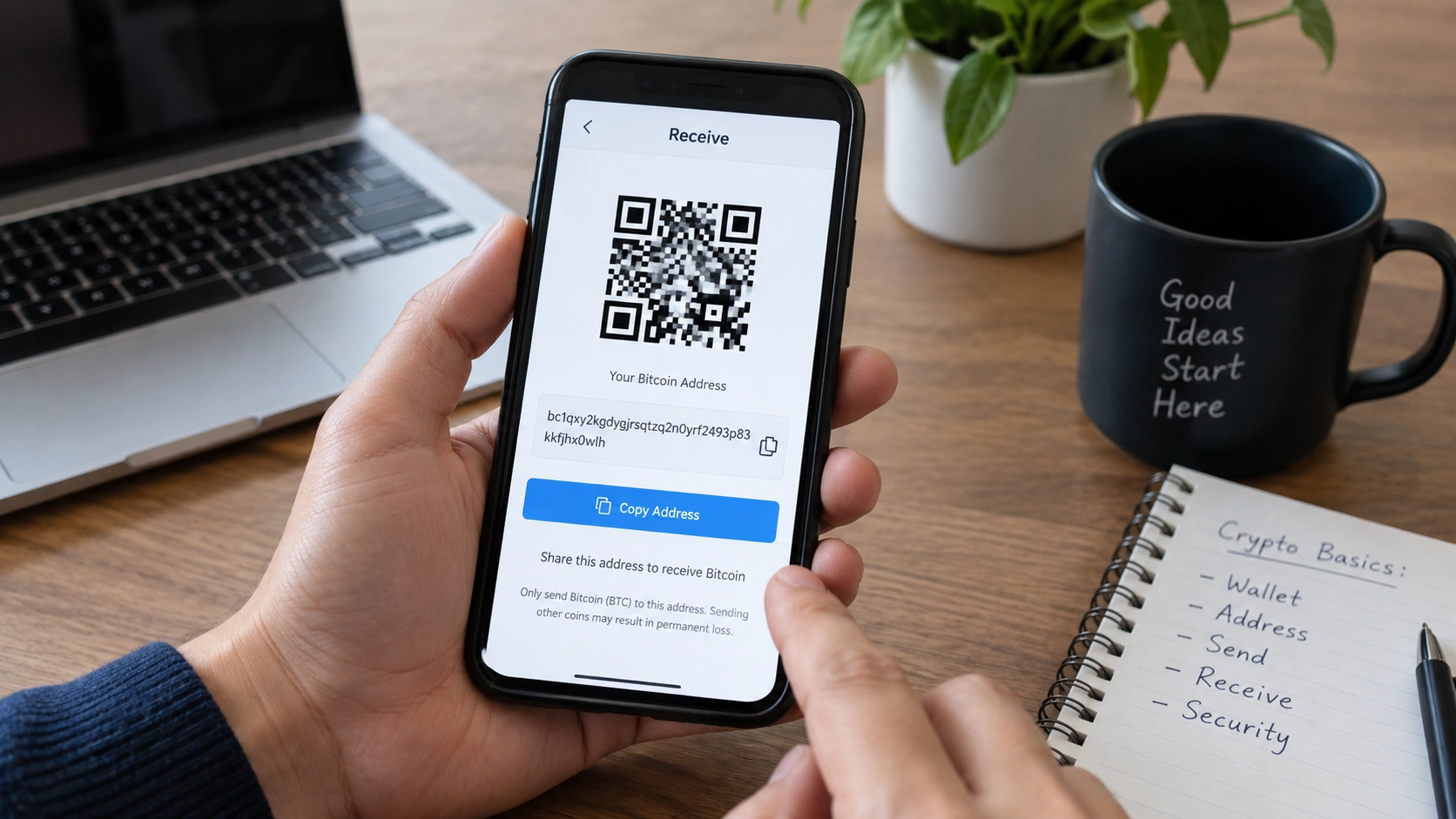
If you are new to cryptocurrency, one of the first terms you may encounter is a wallet address. But what is a wallet address, and why do you need one to receive or send digital assets? A wallet address is a unique string of letters and numbers used to identify a destination for a cryptocurrency transaction. It works somewhat like an account or payment address, although its technical function is different from a traditional bank account number. Wallet addresses are generated by cryptocurrency wallets and are associated with specific blockchain networks and assets. Understanding how they work is important because sending crypto to the wrong address or network can result in a difficult or irreversible transaction. This guide explains wallet addresses in simple terms, including their types, uses, security, and common mistakes.
What Is a Wallet Address?
A wallet address is a blockchain-based identifier that can be used to receive cryptocurrency. Depending on the blockchain, it may appear as a long combination of letters and numbers or, in some cases, use a human-readable format. The exact structure depends on the network and address format being used. For example, Bitcoin addresses can begin with different prefixes depending on the address type, while Ethereum addresses commonly begin with “0x.” These formats help wallets and blockchain systems identify where assets should be sent.
When someone wants to send you cryptocurrency, you normally provide the appropriate wallet address for that particular network and asset. The sender enters or scans the address, selects the amount, and submits the transaction. The blockchain then records the transaction publicly according to its protocol. Although an address can be visible on a blockchain explorer, it does not normally reveal the private key that controls the funds. This distinction is essential when learning what is a wallet address and how cryptocurrency ownership works.
How Does a Wallet Address Work?
A wallet address works as a destination identifier for blockchain transactions. When cryptocurrency is sent to an address, the blockchain records the transfer according to the network’s rules. Your wallet software uses cryptographic keys to demonstrate control over the funds associated with that address. The address itself is generally safe to share when you want someone to send you cryptocurrency, but it should never be confused with your private key or recovery phrase.
For example, imagine you want a friend to send you Bitcoin. You open your Bitcoin wallet, choose the receive option, and copy the Bitcoin receiving address. Your friend pastes that address into their wallet and sends the requested amount. After the transaction receives the required network confirmation, the balance becomes available according to the wallet and blockchain’s rules. The process is simple for users, but the underlying system relies on cryptography, digital signatures, and decentralized network validation.
What Does a Crypto Wallet Address Look Like?
The appearance of a wallet address depends on the cryptocurrency and blockchain network. Bitcoin addresses can have different formats, including addresses beginning with numbers such as “1” or “3” and newer formats beginning with “bc1.” Ethereum addresses generally begin with “0x” and contain hexadecimal characters. Other networks use completely different address structures. This means there is no universal wallet address format for every cryptocurrency.
The length and appearance of an address are useful clues, but they are not enough to confirm that an address is correct. A valid-looking address can still belong to the wrong person or be associated with a different network. For this reason, users should copy addresses carefully and verify the network before confirming a transaction. QR codes can make the process easier by reducing manual typing, but they should also be checked. Understanding what is a wallet address means recognizing that the exact format and compatibility depend on the blockchain being used.
Are Wallet Addresses the Same as Wallets?
A wallet and a wallet address are related but are not the same thing. A cryptocurrency wallet is software, hardware, or another system that helps users manage blockchain accounts and cryptographic keys. A wallet can often generate and manage multiple addresses. The address is simply the identifier used in a transaction, while the wallet provides the tools needed to access and manage associated assets.
It is helpful to think of a wallet as a tool that manages your blockchain credentials, while a wallet address is a destination you can give to someone who wants to send you crypto. However, the comparison with a traditional bank account should not be taken too literally. Blockchain assets are controlled through cryptographic keys rather than a bank’s internal account system. If you want to learn more, an internal guide about how crypto wallets work can provide useful background before you start transferring digital assets.
What Is the Difference Between a Wallet Address and a Private Key?
A wallet address is generally designed to be shared when receiving cryptocurrency. A private key is fundamentally different. It is a secret cryptographic credential that provides control over assets associated with the relevant blockchain account. Anyone who obtains the private key or an equivalent recovery credential may be able to control the associated funds, depending on the wallet system. For more: What Is Futures Trading? A Beginner’s Guide
This is why you should never send your private key or recovery phrase to another person simply because they ask for your wallet address. A legitimate transaction normally requires the receiving address, not the recipient’s private credentials. For example, if someone asks you to provide your 12- or 24-word recovery phrase to “verify” a wallet, that is a serious security warning. Learning the difference between a public wallet address, private key, and seed phrase is one of the most important steps in basic cryptocurrency security.
Can You Have More Than One Wallet Address?
Yes, a cryptocurrency wallet can support multiple addresses. Many modern wallets can generate new receiving addresses for different transactions. This can provide organizational or privacy benefits, depending on the blockchain and wallet design. Having multiple addresses does not necessarily mean that you have multiple physical wallets. They can be managed through the same wallet application or hardware device.
Using different addresses can also make it easier to separate transactions or organize funds. However, generating a new address does not automatically make a transaction completely private. Blockchain activity may remain publicly visible, and transactions can sometimes be analyzed by linking addresses and activity patterns. Users should therefore avoid assuming that a new address guarantees anonymity. If privacy is important, learning about blockchain transaction privacy and the specific privacy characteristics of the cryptocurrency you use is worthwhile.
How Do You Find Your Wallet Address?
Finding a wallet address is usually straightforward. Open your cryptocurrency wallet, select the cryptocurrency you want to receive, and choose an option such as “Receive.” The wallet should display a receiving address, often along with a QR code. You can normally copy the address and share it with the person or platform sending the cryptocurrency.
Before sharing or using an address, check that the selected cryptocurrency and network are correct. For example, an exchange may support several networks for the same asset, and choosing an incompatible network can create serious problems. When transferring funds, it is also good practice to verify the first and last several characters of the address after pasting it. For larger transactions, sending a small test amount first may provide additional confidence when the situation allows it. These simple habits can reduce avoidable mistakes.
How to Send Crypto to a Wallet Address
Sending cryptocurrency usually involves entering the recipient’s wallet address, selecting the amount, choosing the correct network, and reviewing the transaction before confirming it. Depending on the blockchain and wallet, you may also need to account for network fees. Once submitted, the transaction is processed according to the blockchain’s consensus and confirmation rules.
Accuracy is extremely important because many blockchain transactions cannot simply be reversed like a bank transfer. A single incorrect character can result in funds being sent somewhere other than the intended destination. Some wallets automatically detect certain address errors, but users should never rely solely on software checks. Always compare the address and network with the recipient’s instructions before approving the transaction. For additional education, an internal guide on how to send cryptocurrency safely can help explain the process in greater detail.
Common Wallet Address Mistakes to Avoid
One of the most common mistakes is using an address for the wrong cryptocurrency or network. A user may copy an address correctly but select an incompatible network during the transfer. Another frequent mistake is manually typing a long address instead of copying it or scanning a verified QR code. Address-poisoning scams and malicious software can also create situations where users unknowingly send funds to an attacker-controlled address.
Good transaction habits can significantly reduce these risks. Before sending funds, check the asset, network, address, and amount. If someone sends you an address through an unfamiliar message, verify it through another trusted communication method when possible. Avoid clicking suspicious links or connecting your wallet to unknown websites. Most importantly, never share your private key or recovery phrase. A wallet address is intended for receiving funds; confidential wallet credentials are not.
Frequently Asked Questions
Can I share my wallet address?
Yes. A receiving wallet address is generally intended to be shared when you want someone to send cryptocurrency to you. Never share your private key or recovery phrase with anyone.
Does every cryptocurrency have the same wallet address?
No. Different cryptocurrencies and blockchain networks use different address formats and systems. Always confirm that the address and network match the asset you are transferring.
Can someone steal crypto with only my wallet address?
A wallet address alone generally does not give someone control of your funds. However, blockchain activity connected to the address may be publicly visible, so sharing it can have privacy implications.
Can a wallet address be changed?
Many wallets can generate new receiving addresses, although the exact behavior depends on the cryptocurrency and wallet. Previously used addresses may remain associated with historical blockchain activity.
What happens if I send crypto to the wrong address?
Blockchain transactions are often irreversible. If funds are sent to an incorrect address, recovery may be impossible unless the recipient or relevant service can return them. Always verify transaction details before confirming.
Conclusion
A wallet address is a blockchain identifier used to receive cryptocurrency. While it may look like a random string of characters, it plays an important role in directing digital assets to the intended destination. Different cryptocurrencies and networks use different address formats, so checking compatibility is essential before making a transaction.
If you are learning what is a wallet address, focus on the basics first: understand addresses, private keys, recovery phrases, networks, and transaction fees. Always verify the address and network before sending funds, and treat confidential wallet credentials as highly sensitive information. Once you understand these fundamentals, you can explore related topics such as crypto wallets, blockchain transactions, and how cryptocurrency works to build a stronger foundation.


1 Comment